Many thanks to Steve Montana for permission to use his music.
Archive for the ‘Bee to Flower relationship’ Category
A Sunny Warm Day in Early November
Posted in Bee to Flower relationship, Bee Video, Bee-loving flowers, tagged bee-loving flowers, bees on Oregon Coast, honey bees, Log hive wood carving, Log hives, macro nature video, natural beekeeping, pollinators, Verticle log hive, Warre hive, Wild pollinators, wood carving on November 6, 2014| 7 Comments »
Close Call on Gallardia
Posted in Bee to Flower relationship, Bee Video, Bee-loving flowers, Crab spider, tagged bee on Gallardia, bee-loving flowers, natural beekeeping on November 5, 2014| 12 Comments »
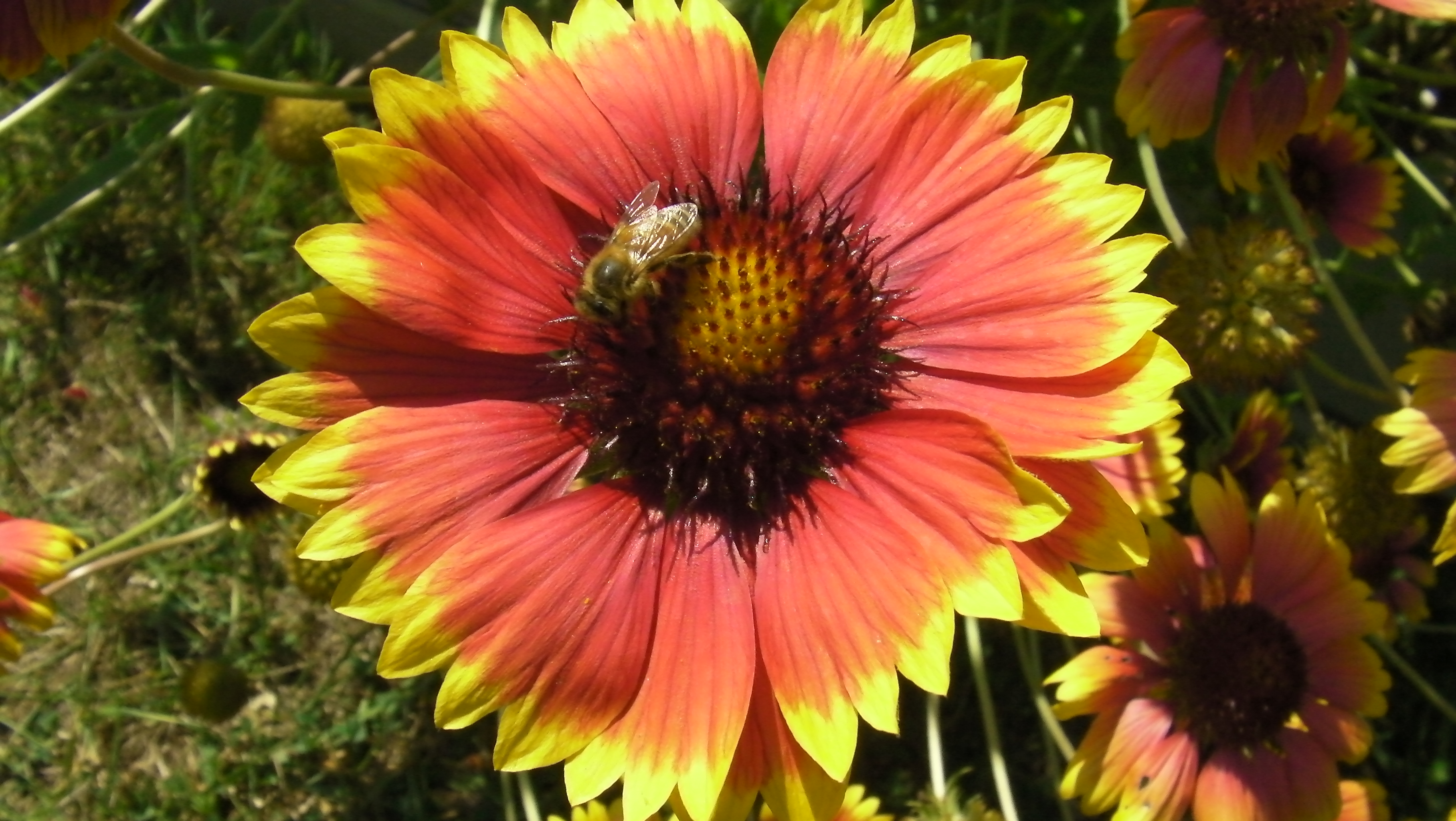
If you want to grow some very colorful flowers that will bloom in September and October, try the Arizona Sun Gallardia.
Watch the crafty crab spider emerge from below the curled petals bottom right. I’m wondering if the honeybee saw the spider. It almost looked like it was ‘daring’ the spider to come after it. I’ve seen enough honeybees that were trapped in the crab spider’s grip to know it’s foolish to tempt fate, but this one got away.
Late Summer Blossoms
Posted in Bee to Flower relationship, Bee Video, Bee-loving flowers, Log hives, Natural Beekeeping, tagged Autumn Joy sedum, bees and borage, bees and Phacelia, bees and Sedum, Ctenucha multifaria, leaf cutter, Megachile centuncularis, Mock Orange tree and bees, Phacelia, sunflowers on September 4, 2014| 8 Comments »

As soon as the main nectar flow quit (blackberries), the bees started working the Phacelia. It was then that I noticed the blue pollen.
I can see why they preferred blackberries…these blossoms are hard to work.

A bee works the borage in late July. A second batch of borage has reseeded itself and will hopefully bloom during autumn.

August 22, 2014…I finally visited Barbara’s Mock Orange tree. It was everything she said it was. Covered in white blossoms with bees all over it. Note: this might NOT be a Mock Orange. See below what Carol Quish of University of Connecticut had to say.

Two bees on Barbara’s Eucryphia Tree

August 29, 2014…When I think of summer, this is what I picture. SUNFLOWERS. Last year we had precious few. This year we grew a few more for the bees. It was hard to stay in the shop during the blue sky, bee-flying, sunny days.

September 1…I’m soooo glad I planted these Autumn Joy sedums a couple of years ago. The bees get nectar from it from late August through September. How many bees do you see? It’s easier to count them in the video.
When we first got the notion to buy these Autumn Joy sedums, it was mid September, 2012. My wife was unloading the potted plants and the bees found them as she was carrying them out to the garden. If you have some space, plant some right away. Your bees will thank you. 🙂

A Ctenucha Multifaria partakes of the nectar too.
Kathy’s Dahlias…It’s Up to the Bees
Posted in Bee to Flower relationship, Bee Video, Bee-loving flowers, Log hives, Natural Beekeeping, tagged bee tree, bee-loving flowers, beekeeping, bees in tree, bees on dahlias, bees on Oregon Coast, collarette dahlias, dahlia, Feral bees, giraffe pattern dahlia, honey bees, honeybees in a tree, Mignon dahlia, natural beekeeping, orchette dahlia, Wild pollinators on August 26, 2014| 12 Comments »
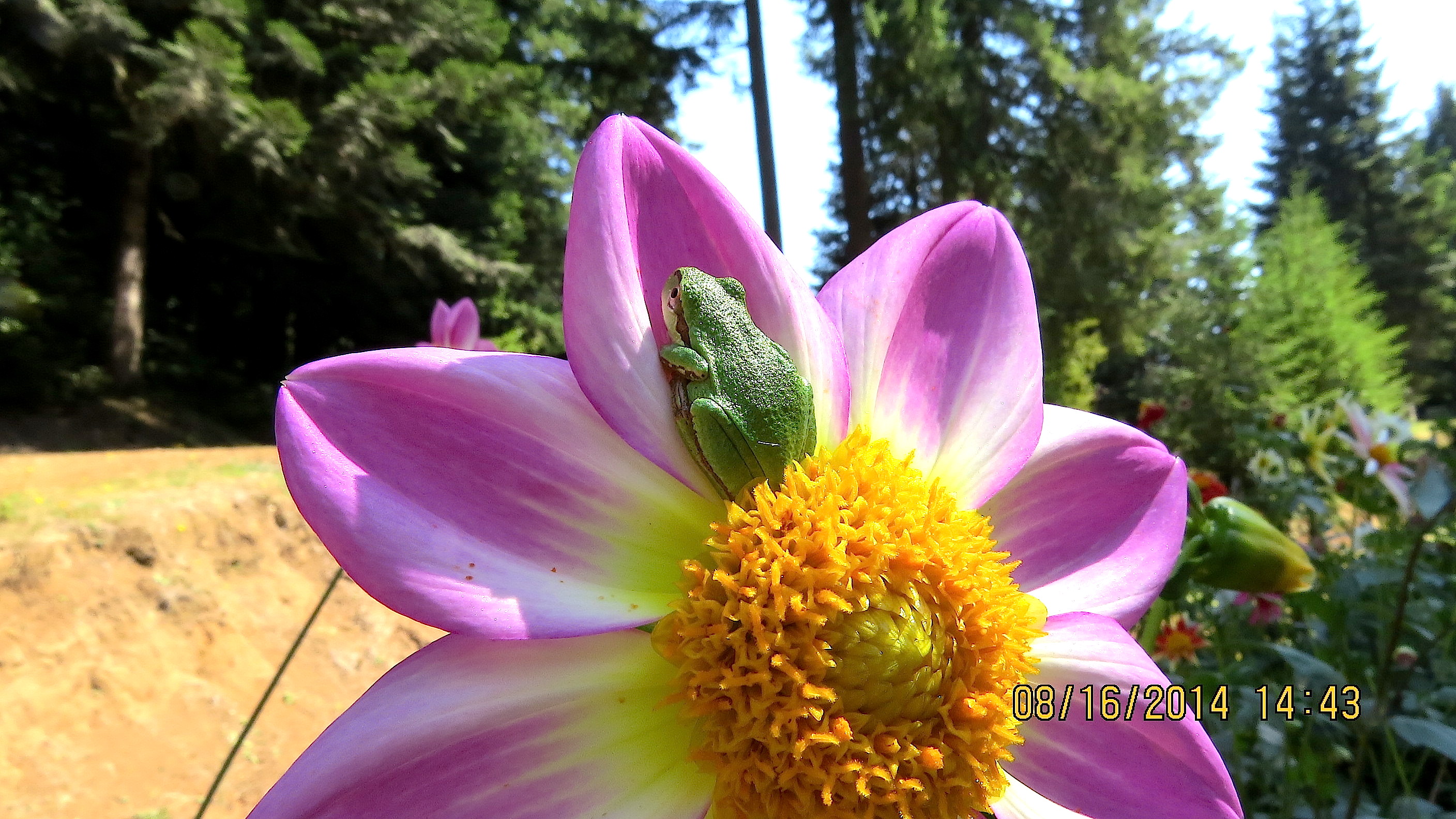
August 16, 2014…This anemone dahlia serves as a rest stop.
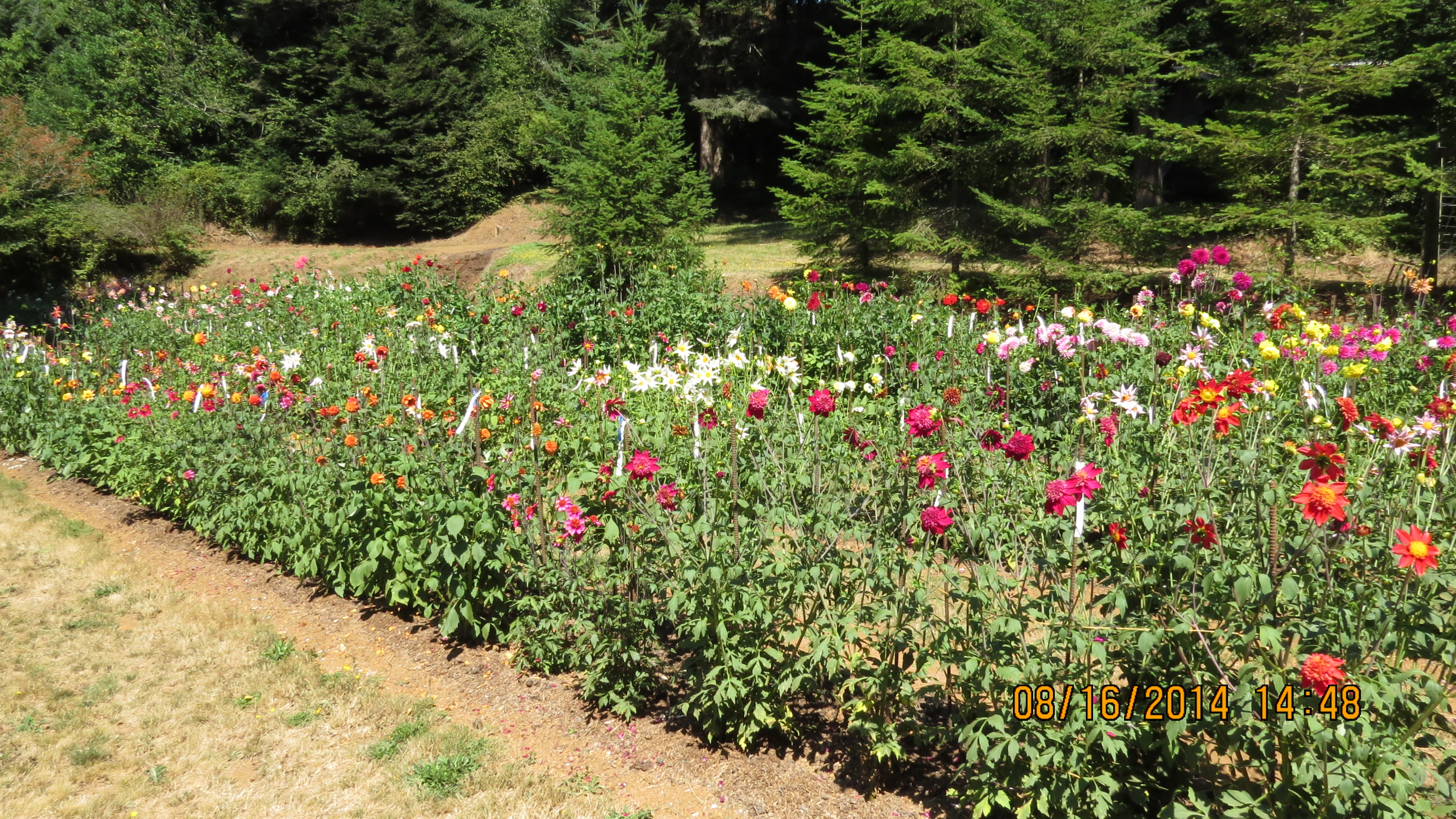
Looking over Kathy’s dahlias at some of the 2500 kinds that must be whittled down to 100.
Kathy grows dahlias…lots of them. Knowing of my interest in bees, she has explained how bees have helped her to grow different kinds of dahlias. For many years, she hand pollinated the dahlias she wanted to hybridize. About a year and a half ago, a swarm of bees chose a nearby cedar tree as their future home and started visiting her dahlias. Kathy says she gets much better results from the bees’ pollination. She collected the seeds after pollination and grew over 2500 kinds. Of the 2500, she will select only about 100 that make the grade. (I’m glad I don’t have to decide, I like them all.)
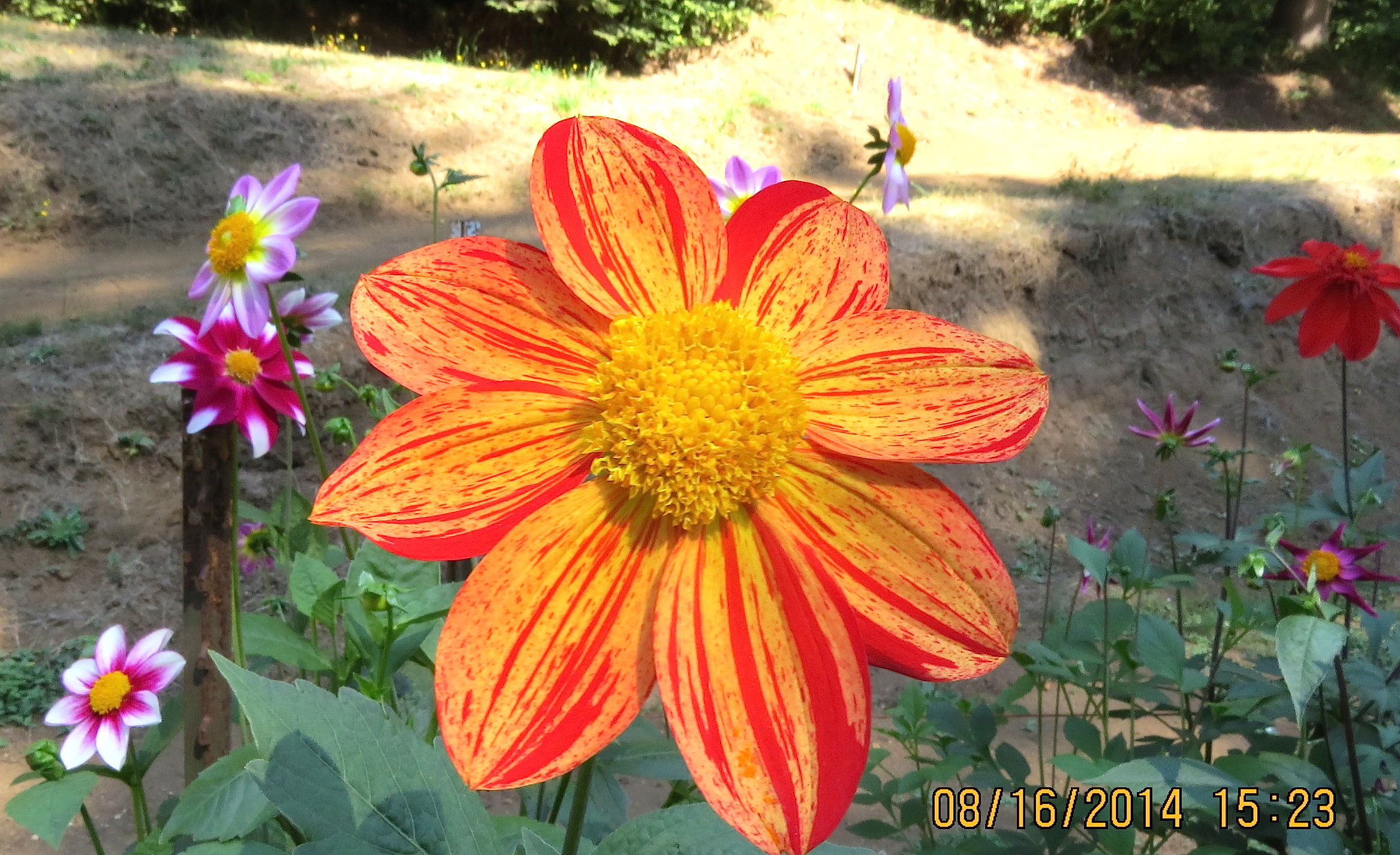
This is one of 2500 varieties that Kathy grew this year. She must whittle it down to about “100 keepers.”

This is known as a giraffe pattern dahlia. Kathy says she is indebted to the bees for their pollination services. I am intrigued by the variety of styles.

An orchid form dahlia

August 16, 2014…Since the bees adopted this high up cavity in a cedar tree, Kathy has benefited from them pollinating her dahlias. In the video you can see how high up it is with a steady stream of bees flying in and out.
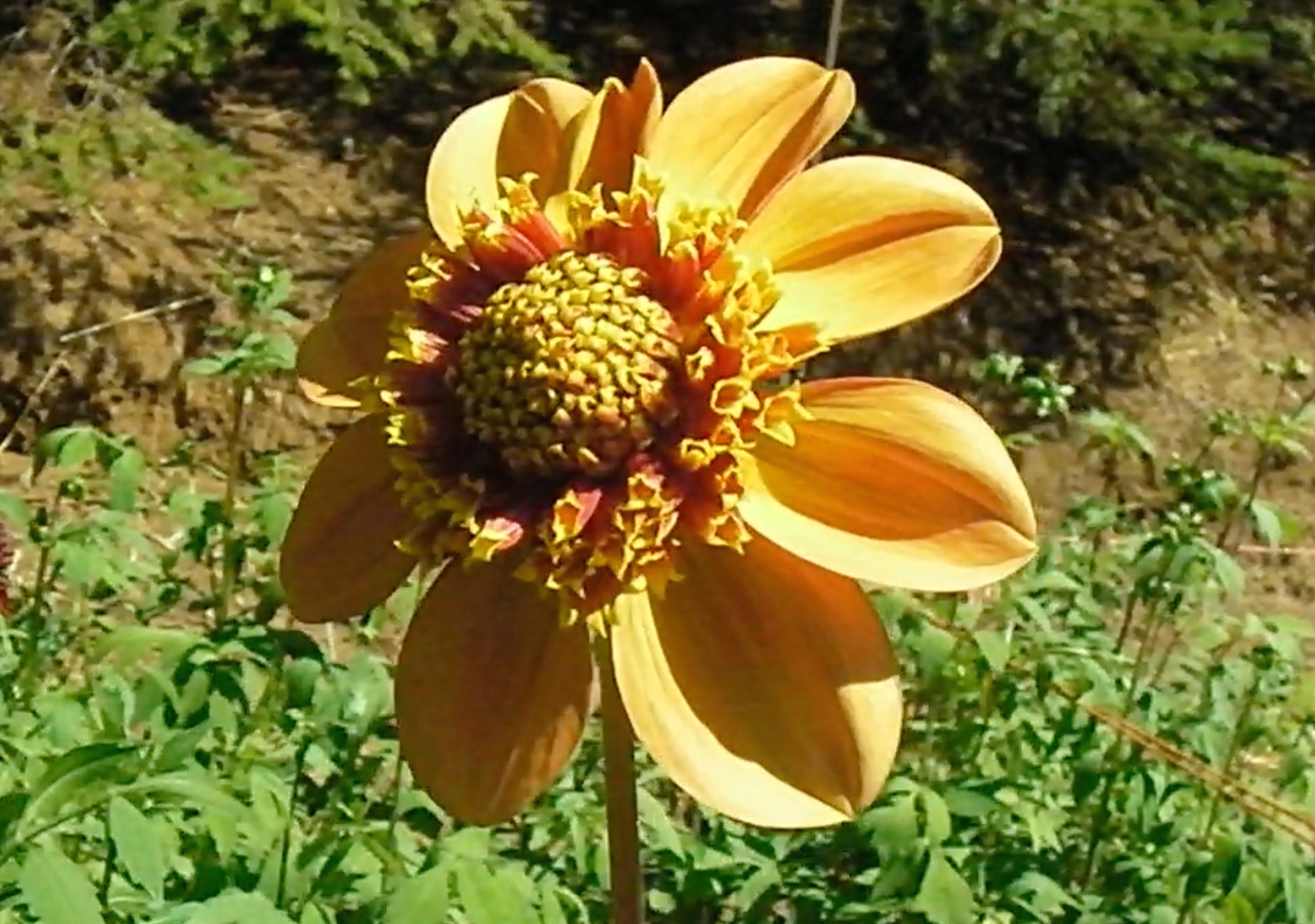
Is this a keeper or will it go into the compost? Kathy hasn’t decided yet, but she does like what she sees. It started opening up yesterday and will look different tomorrow, “it’s promising,” she says.

Kathy says she is indebted to the bees for making this one which she is planning to keep.

Sunspot…a mignon dahlia creation that Kathy has let us grow for our bees.
Bees Pollinating Squash
Posted in Bee to Flower relationship, Bee Video, Bee-loving flowers, Natural Beekeeping, tagged anther, bee-loving flowers, honeybees, honeybees and squash blossoms, Kiera O'Hara, natural beekeeping, squash bees, squash blossoms with bees, squash female blossoms, squash male blossoms, stigma on August 8, 2014| 9 Comments »
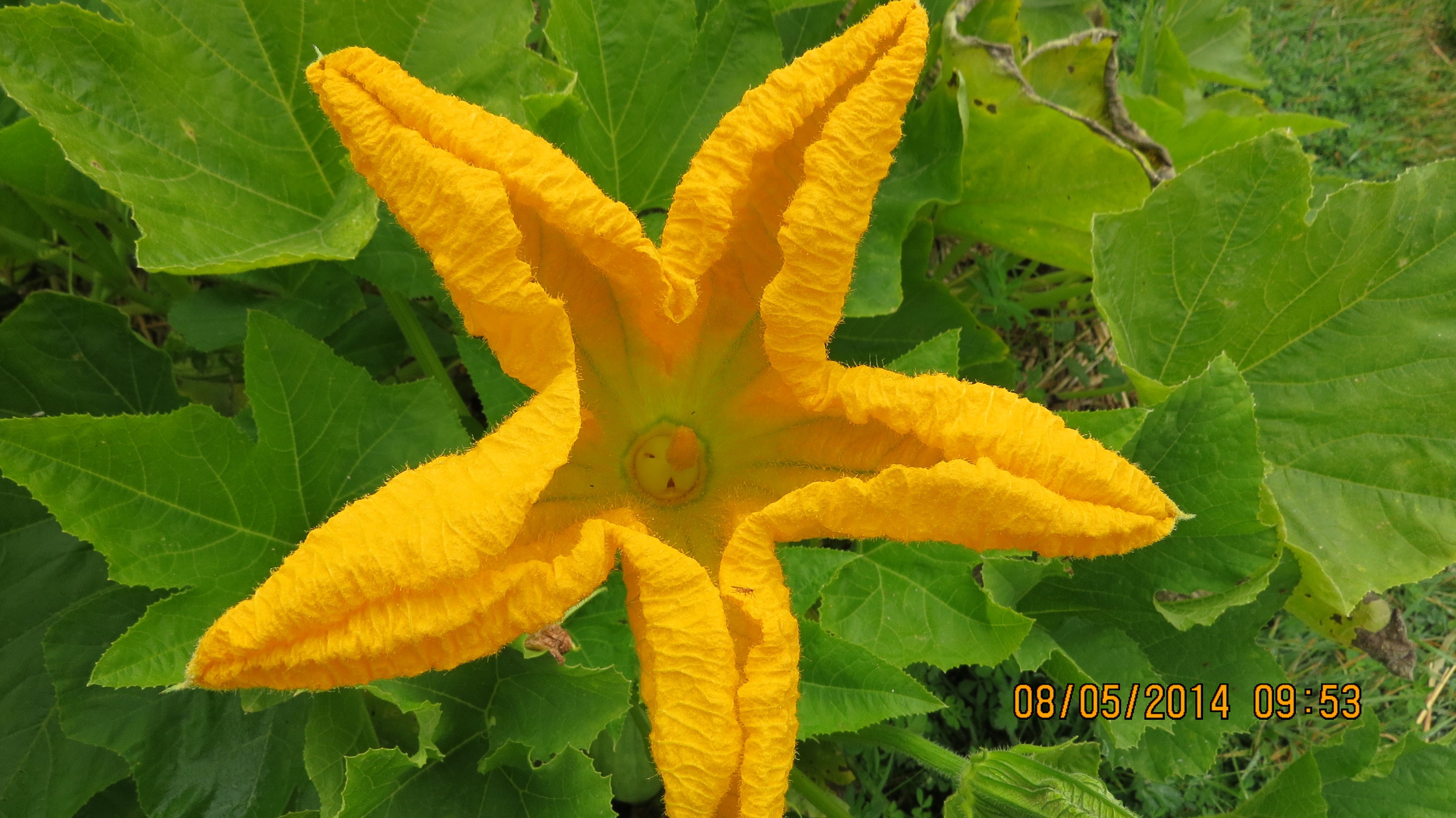
August 5, 2014…Male squash blossom (possibly an acorn squash) You can see the small sipping holes where the bees get the nectar. Male blossoms open earlier than female blossoms and stay open for days at a time.

August 1, 2014…A honeybee sipping nectar from a male squash blossom. The bee picks up pollen from the anther to transfer to the female blossom.
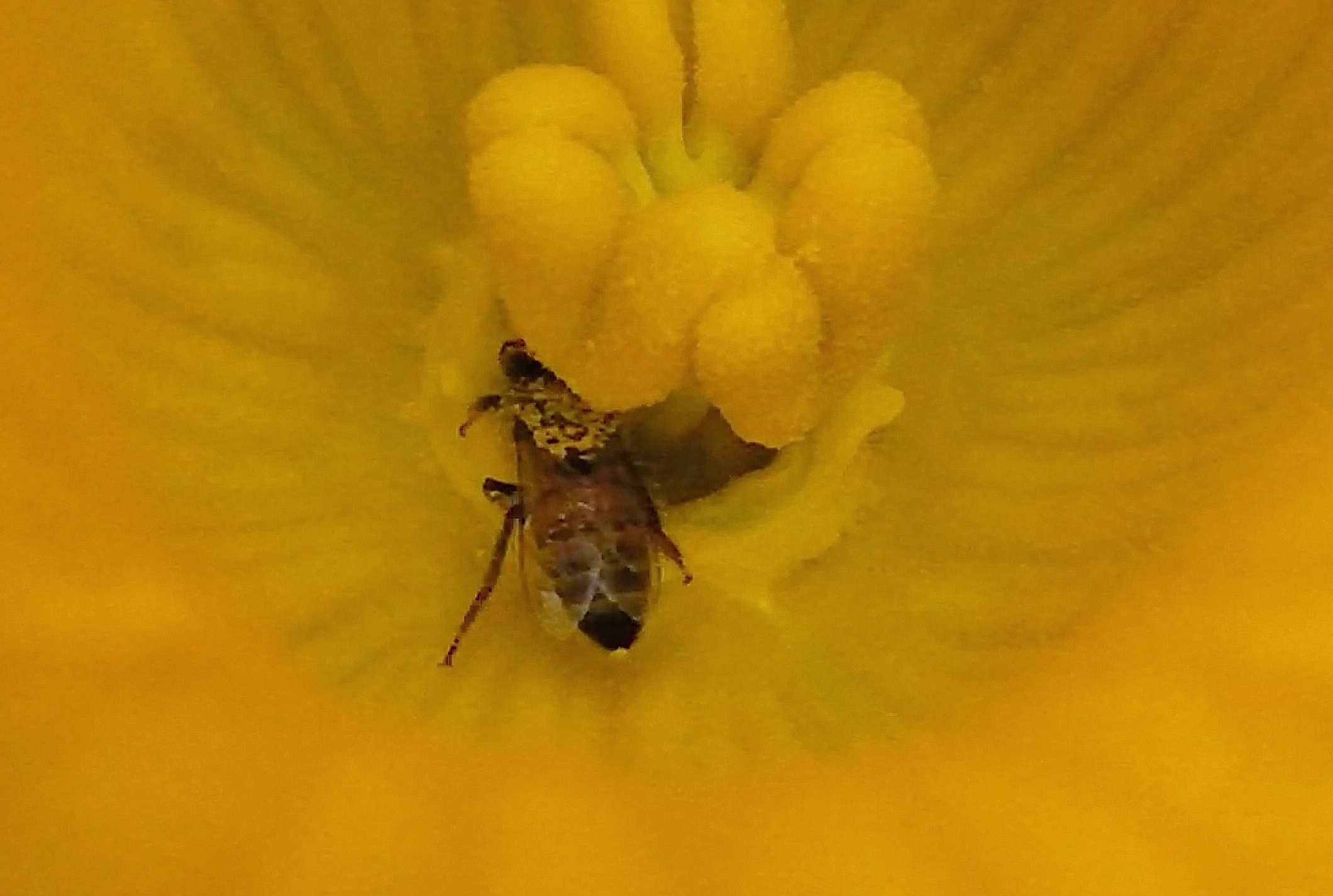
The blossom provides nectar to attract pollinators. This honeybee is sipping from nectar fountain of the female squash blossom…rubbing pollen onto the stigma.

August 6, 2014…this female blossom just opened today. Already there is a bee in attendance.

Open at 9:29 am or before…

Closed at 7:04 pm…after being opened only one day, this female blossom closed up shop.

August 7, 2014…blossom closed yesterday and remains closed. A measurement of 1 3/16″ (30 mm) is made on the diameter of the tiny acorn squash.
New Zealand Flax Attracts Bees and more
Posted in Bee to Flower relationship, Bee-loving flowers, Hummingbirds, Natural Beekeeping, New Zealand Flax, Videos, tagged Canon SX-50, carved wood hive, hummingbirds and New Zealand Flax, Kiera O'Hara, natural beekeeping, New Zealand Flax and ants, New Zealand Flax and bees, Sanyo Xacti on July 22, 2014| 8 Comments »

July 18, 2014…Although I walk past this New Zealand Flax just about every day, I never took notice of it until it started blooming about a week ago. I became curious whether bees would be attracted to it. Yes, they were…even as early as 8:30 am..

July 17, 2014…bee going deep for nectar. I recently read a website that stated honeybees can’t get the nectar from New Zealand Flax, and yet I saw many honeybees attending these blossoms.
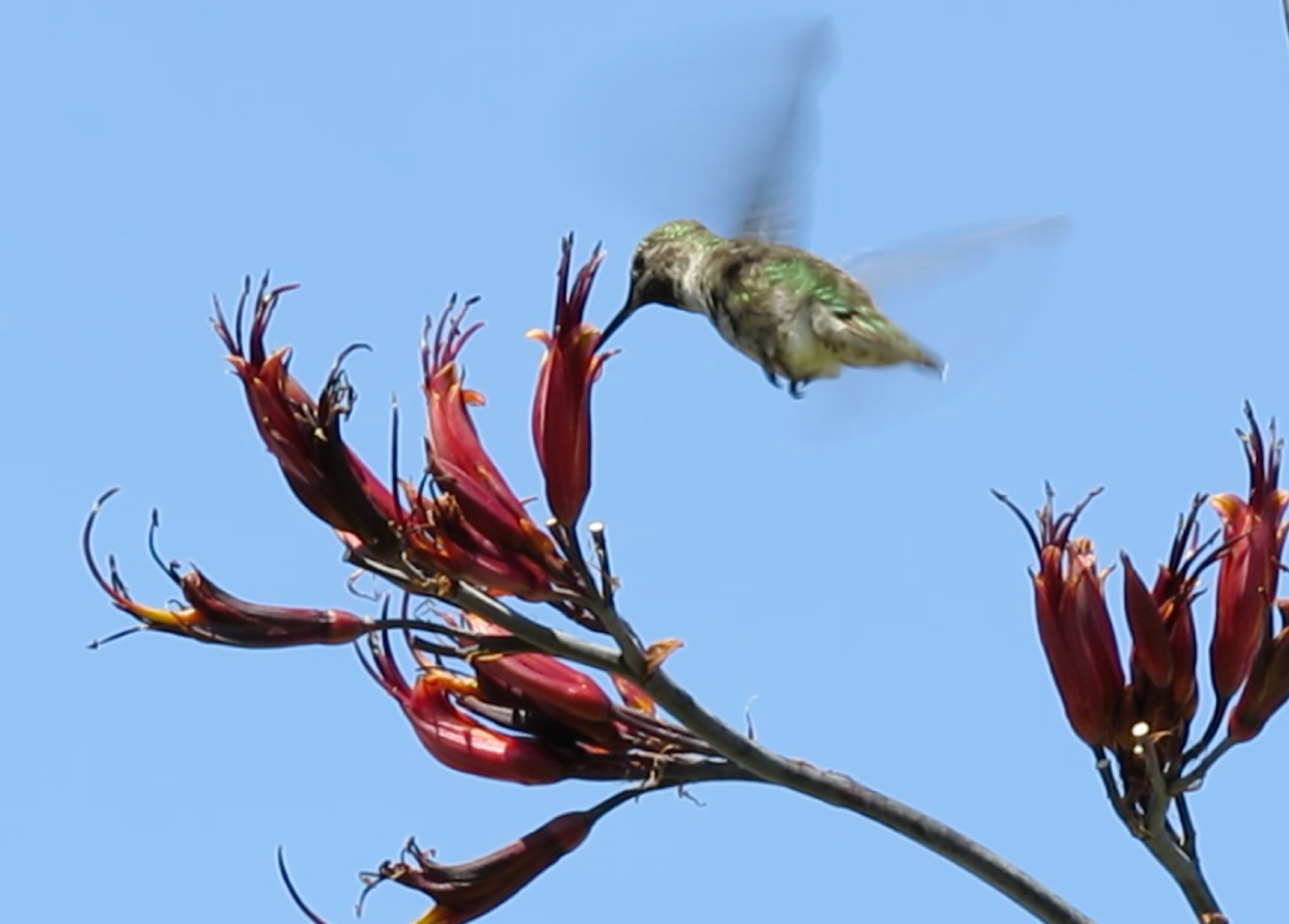
July 12, 2014…Hummingbirds also visited, but were often chased away by rivals. Why is that? There is plenty to go around. “Why can’t they cooperate for the common good,” my wife wonders? I have no idea…Why can’t humans cooperate for the common good? Looking at our blue planet from space, seeing nothing around that’s habitable for light year distances, you’d think we’d want to work together for our mutual survival.
Just some random thoughts in light of the disturbing current world affairs.

July 14, 2014…When I saw reddish orange pollen coming into my Bee-atrice Log Hive, I wondered where it was coming from.

Reddish orange pollen, coming from the New Zealand Flax.

Ants like it too. When I was shooting the video I waited and waited until this ant emerged, then another came up, and another.
History of flax use in New Zealand
The Short Story of Flax in New Zealand
How to clean and harvest New Zealand Flax
Early Summer Bee-loving Flowers
Posted in Bee to Flower relationship, Bee Video, Bee-loving flowers, Bumblebees, Garden spider, Music video, Natural Beekeeping, Poached Egg Meadowfoam, tagged Allium, Antique Cosmos, Bees and Hidcote Hypericum, Bees and St. John's Wort, Bees and Twister poppy, Bees on Hypearls, Bombus vosnesenskii, California poppies, honeybees pollinating flowers, Kiera O'Hara, Phacelia, Royal Candles, Speedwell, The Bottom Rung, Veronica longifolia, Veronica spicata on July 12, 2014| 3 Comments »

June 29, 2014…Honeybees and hummingbirds get nectar from these little gems. We’ve decided to grow more alliums next year because the bees love them and the deer don’t.

June 23, 2014…We started these Cosmos seeds under lights in the house, hoping they would turn out well. We’re very happy with the results and the bees love them too.

June 10, 2014…Honeybee getting nectar on this Cosmos

June 16, 2014…This little stand of California poppies planted itself on my Hugelkulture bed. In the background you can see some wallflowers (Erysimum).
l

What kind of bee is this? Maybe Amelia or standingoutinmyfield will know.

A new type of poppy, called a Twister poppy. Attracts bumblebees and is a pay grade or two above the California poppy.

I started the Phacellia seeds to attract the honeybees, but rarely do I see honeybees on them. No problem, we need to help the bumblebee as well, in this case the Yellow-faced bumblebee. (bombus Vosnosenkii)
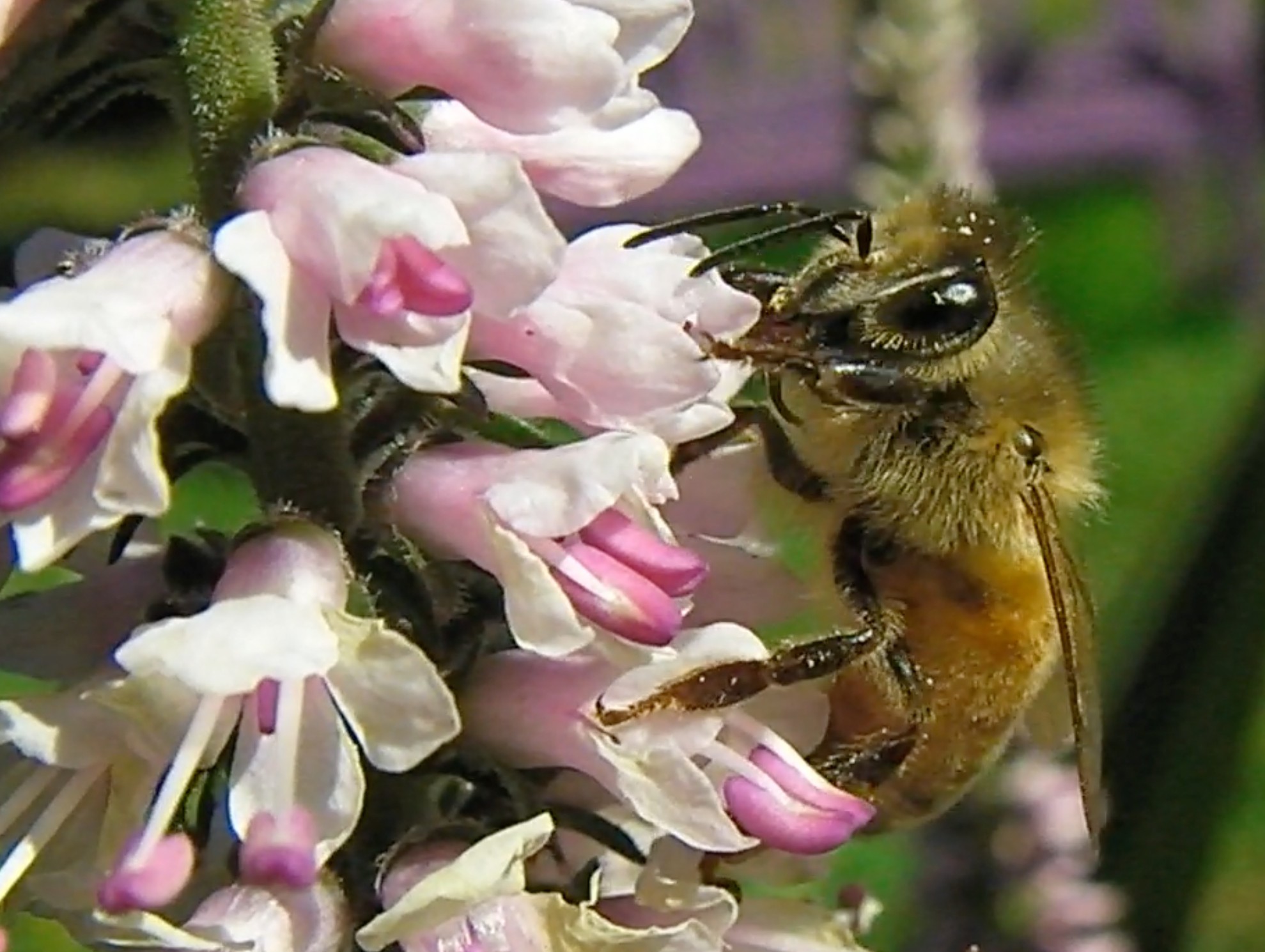
Relatively short-lived, (blossom wise) this Veronica Longifolia, ‘Pink Eveline’ served as a nectar source for a short time.

Speedwell, Veronica Spicata, ‘Royal Candles.’ The colors stand out well.

June 29, 2014…Sometimes when the bumblebee exits this blossom, it will pick up a streak of white pollen up it’s back.
Piano composition by Kiera O’Hara.
Music by “The Bottom Rung”
Tulip Tree Blossoms!
Posted in Bee to Flower relationship, Bee Video, Bee-loving flowers, Follow a tree, Natural Beekeeping, Tulip Tree, Uncategorized, tagged honeybee pollinating Tulip Tree, Tulip tree blossom, Wasp in Tulip Tree blossom on June 8, 2014| 7 Comments »
“And then the day came when the risk to remain tight in a bud was greater that the risk it took to bloom.” Anaïs Nin
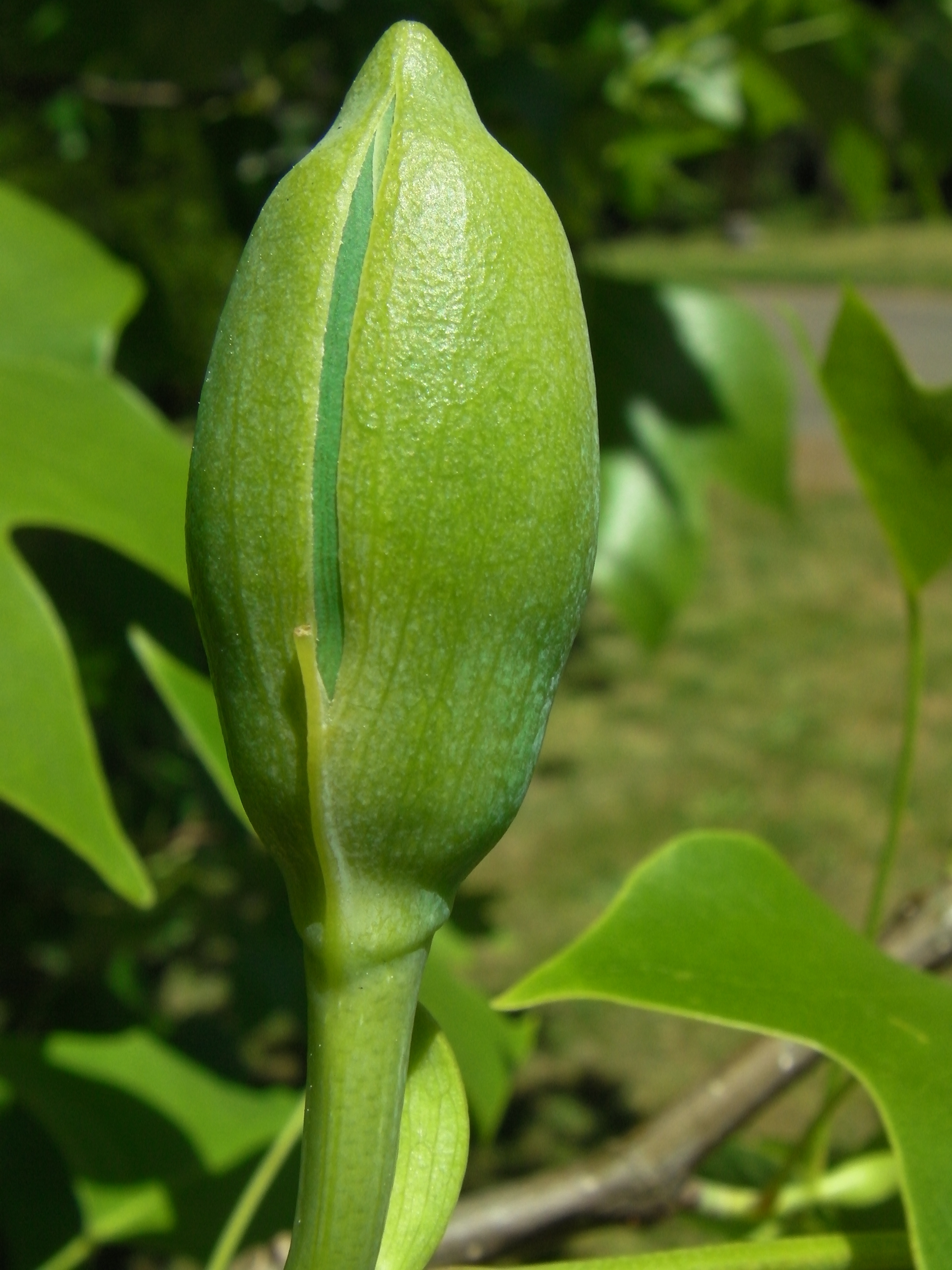
May 13, 2014…Showing signs of swelling. Outside starting to split open.
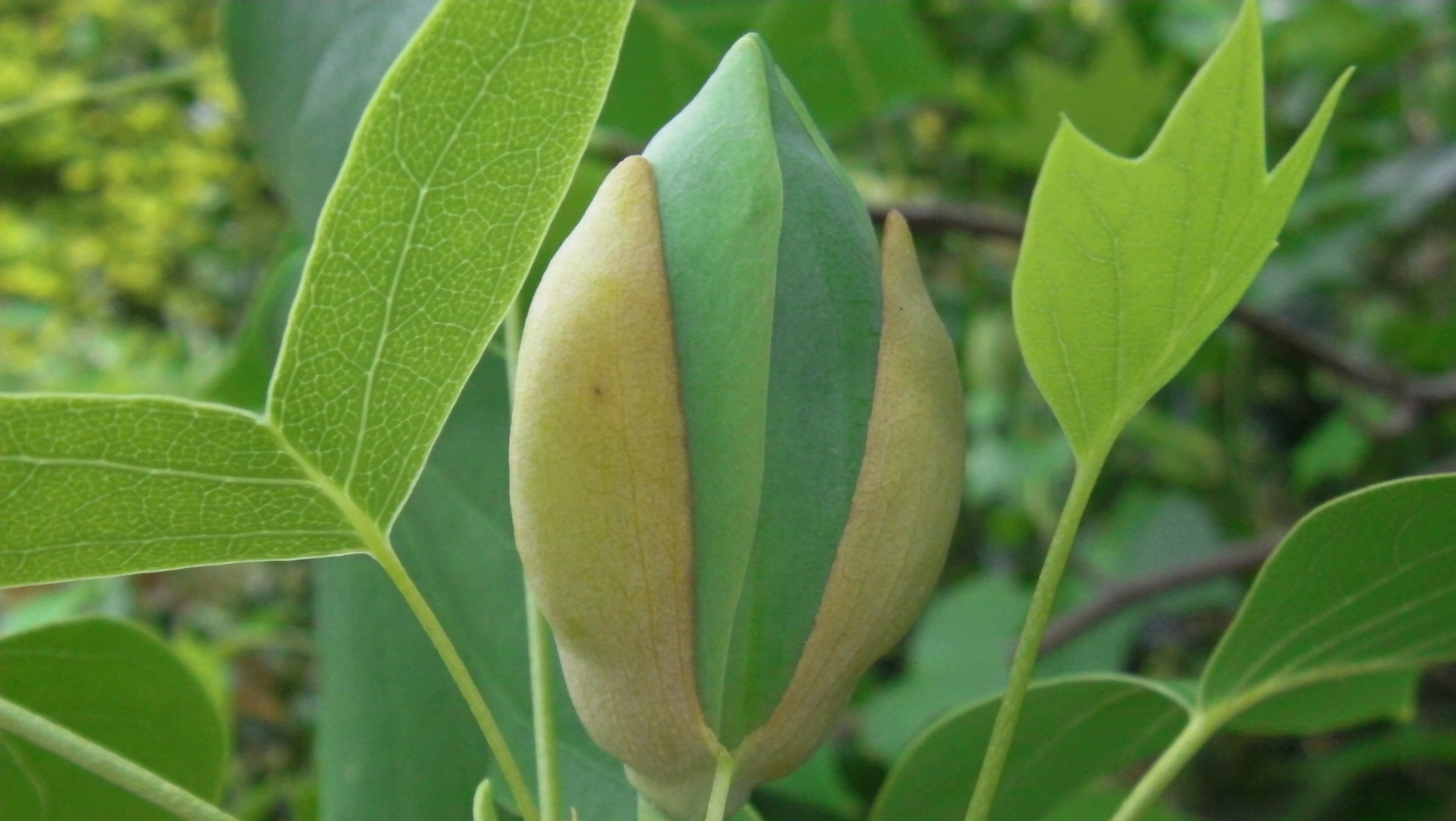
May 15, 2014…It’s swelling up, getting ready to burst open.

May 27, 2014…Tulip Tree blossom emerges at long last.

May 27, 2014…The inside of a new blossom is well worth the wait.
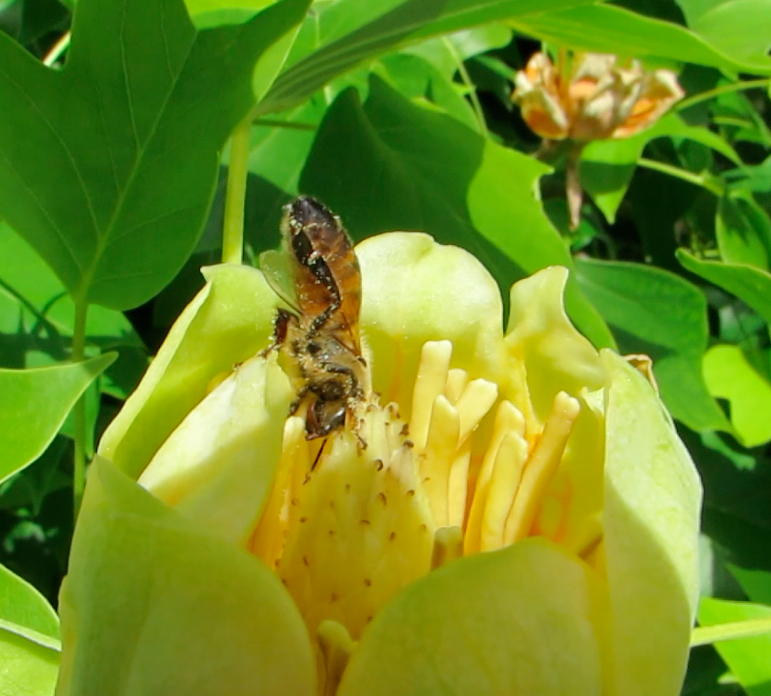
This honeybee got down to work. In the video you can see the bee moving to the rhythms of “Havana.”
Pink Princess Poppy Commands Attention
Posted in Bee to Flower relationship, Bee Video, Bee-loving flowers, Music video, Natural Beekeeping, tagged bee-loving flowers, Bees pollinating poppies, honey bees, macro nature video, macro photography, pink poppies and bees, Pink Princess Poppy, Red poppies and bees, Wild pollinators on June 2, 2014| 5 Comments »
…and gets it from the honeybees!

June 2, 2014…This pink poppy (Pink Princess) just opened up this morning. The honeybees seem to favor it over the red poppies..
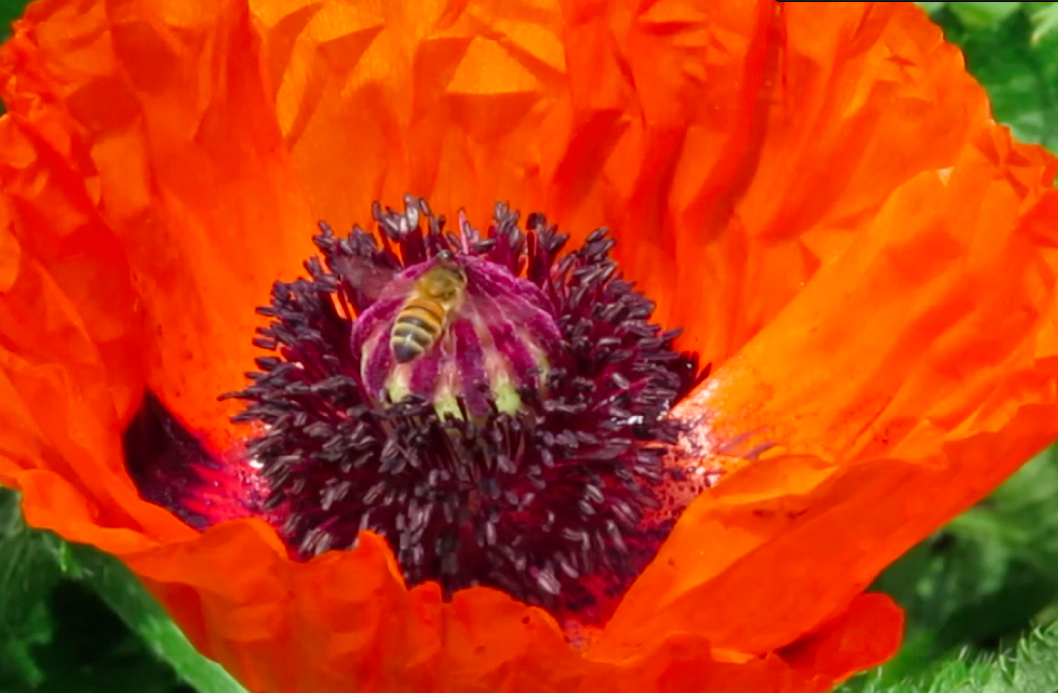
By contrast, there is only one bee at a time on the red poppies. Maybe they think it’s more dignified. 🙂
May Flowers Bring Out the Bees
Posted in Bee to Flower relationship, Bee-loving flowers, Bumblebees, Music video, Natural Beekeeping, Poached Egg Meadowfoam, Videos, tagged bee-loving flowers, beekeeping, bees and borage, bees and Cascara Buckthorn, bees and Cotoneaster, Bees and Hidcote Hypericum, Bees and Huckleberry blossoms, bees and lavender, Bees and Meadowfoam, Bees and New Zealand Cabbage blossoms, Bees and Pink Chintz Thyme, Bees and St. John's Wort, bees on Oregon Coast, bombus flavifrons video, bombus melanopygus video, Bombus vosnesenskii, growing flowers for the bees and butterflies, honey bees, macro nature video, natural beekeeping, pollinators, Wild pollinators, Yellow-faced Bumble Bee on May 31, 2014| 2 Comments »

May 29, 2014…My wife said there were five bees on this earlier, but when I grabbed the camera, I only caught one bee.

May 28, 2014…My neighbor’s New Zealand Cabbage trees are blooming. I’m glad it’s on someone else’s property because there is a strong odor associated with it. Our bees love it.
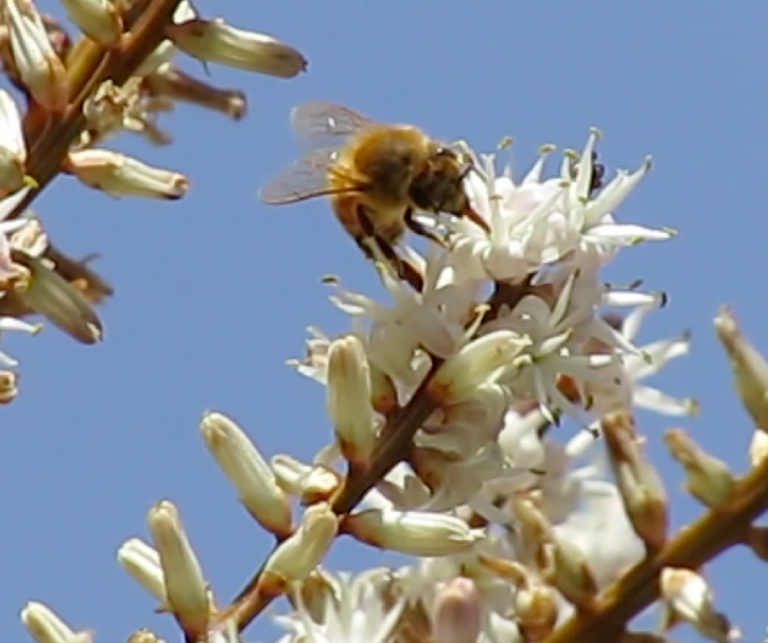
May 28, 2014…New Zealand Cabbage has been blooming awhile. Our bees are all over it, all day.
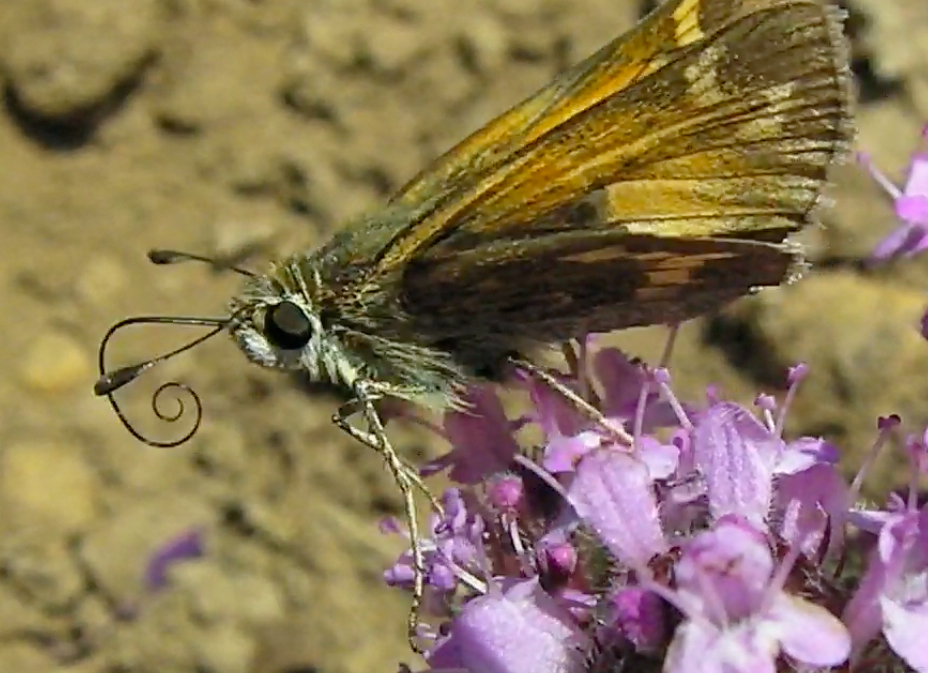
May 27, 2014…A skipper is probing the depths of this Pink Chintz Thyme for nectar. In the video, you can see it try several spots before finally succeeding. The bees love this plant as well.
 Adventures in Natural Beekeeping