Archive for 2014

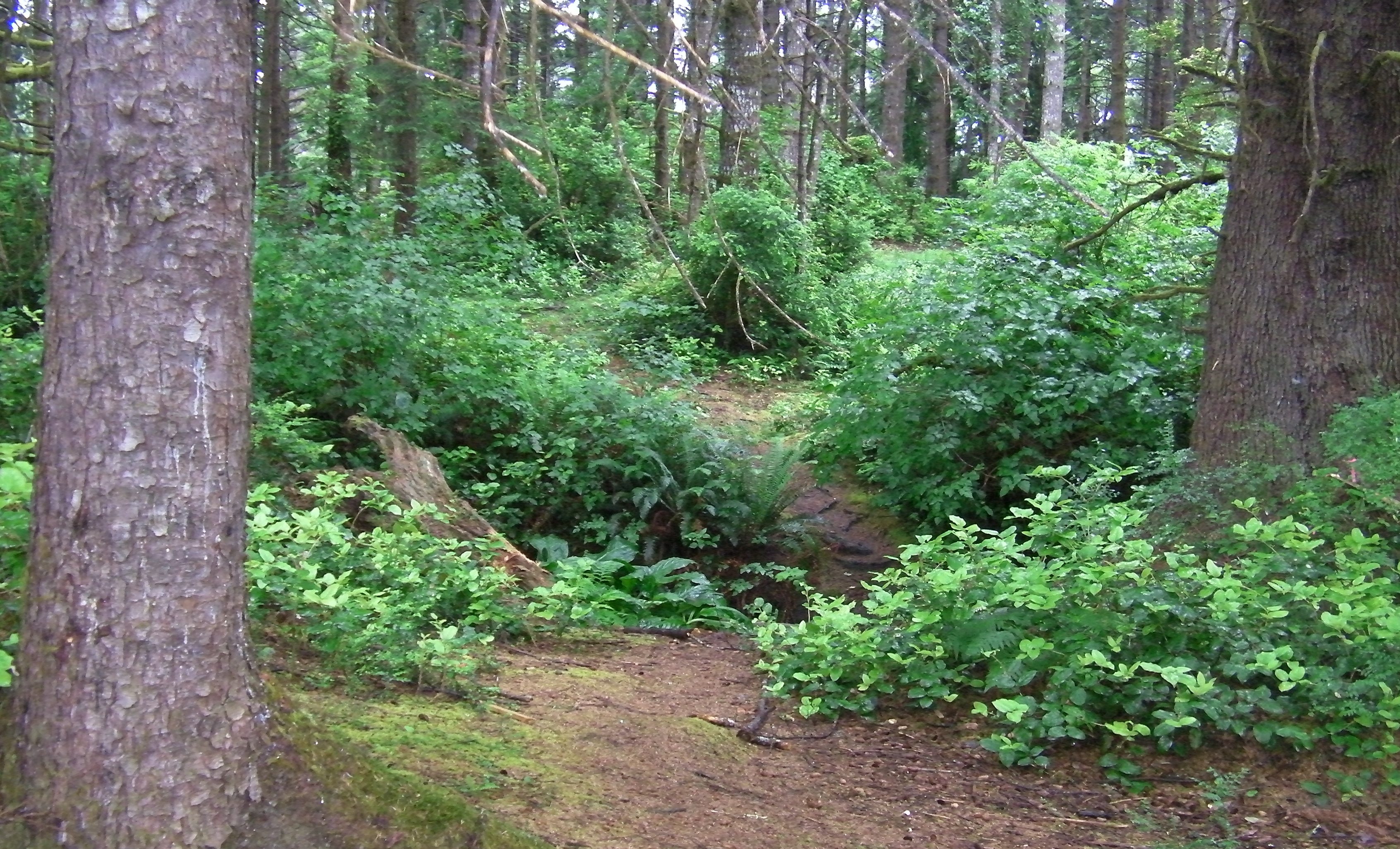
June 23, 2013...The walk into the woods starts here.  The creek usually flows under a wooden plank.  For several months, the water has not been flowing, probably due to the lowest rainfall this year on record.

June 23, 2013…The walk into the woods starts here. The creek usually flows under a wooden plank. For several months, the water has not been flowing, probably due to 2013 being the lowest rainfall on record.  To be precise, the water HAS been flowing, but not where you can see it.  Close to the point where the path crosses the creek, the creek dives underground.
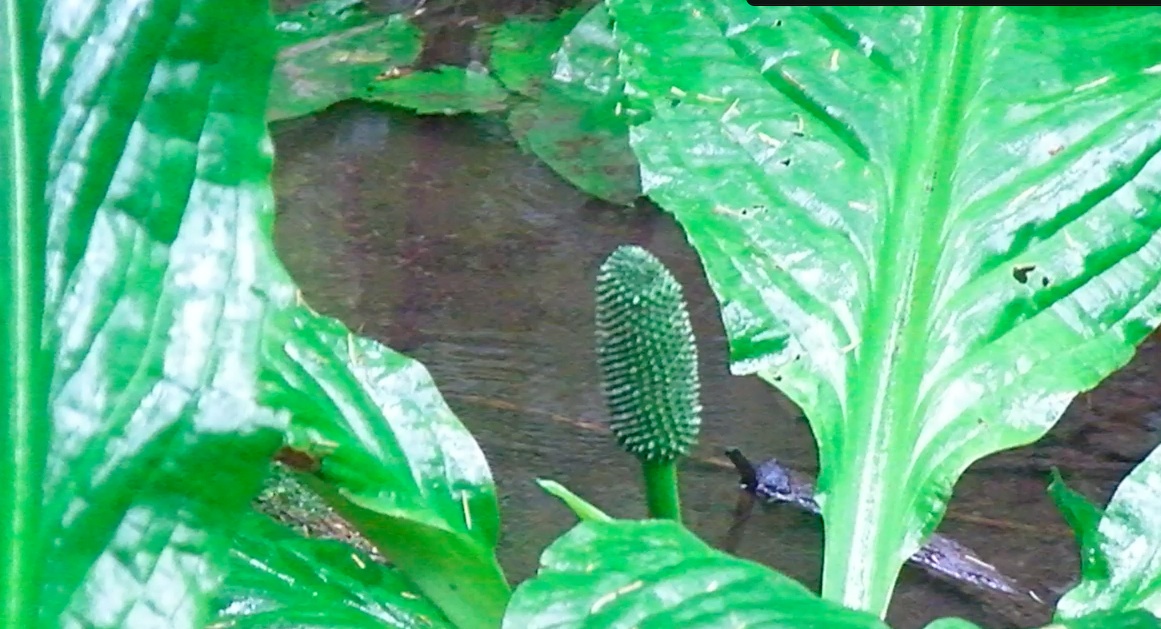
A small pool of water can be seen about two feet upstream before the water flows into the underground.

Looking through the skunk cabbage, a small pool of water can be seen a short distance upstream before the water disappears underground.
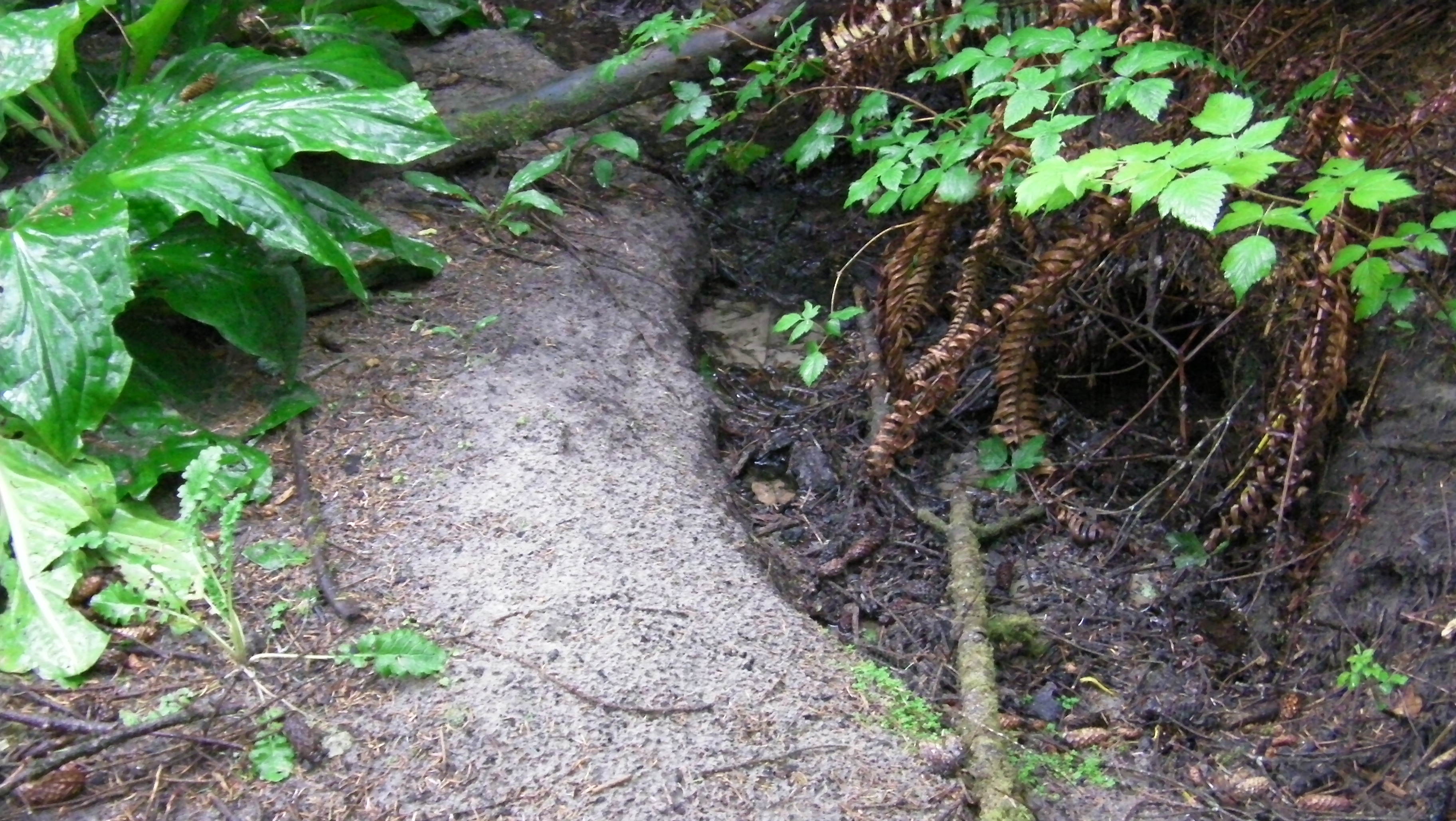
June 23, 2013...The water flows to here, then goes underground.  It's weird, you can hear the water flowing, but then in disappears.

June 23, 2013…The water flows to here.  It’s weird, you can hear the water flowing, but you can’t see where it goes.

February 17, 2014...After a couple of weeks of on again, off again heavy periods of rain, the ground is saturated and the water is flowing.

February 17, 2014…After a couple of weeks of on again, off again heavy periods of rain, the ground is saturated and the water is flowing.  It’s been over a year.   Skunk cabbage is just poking up.
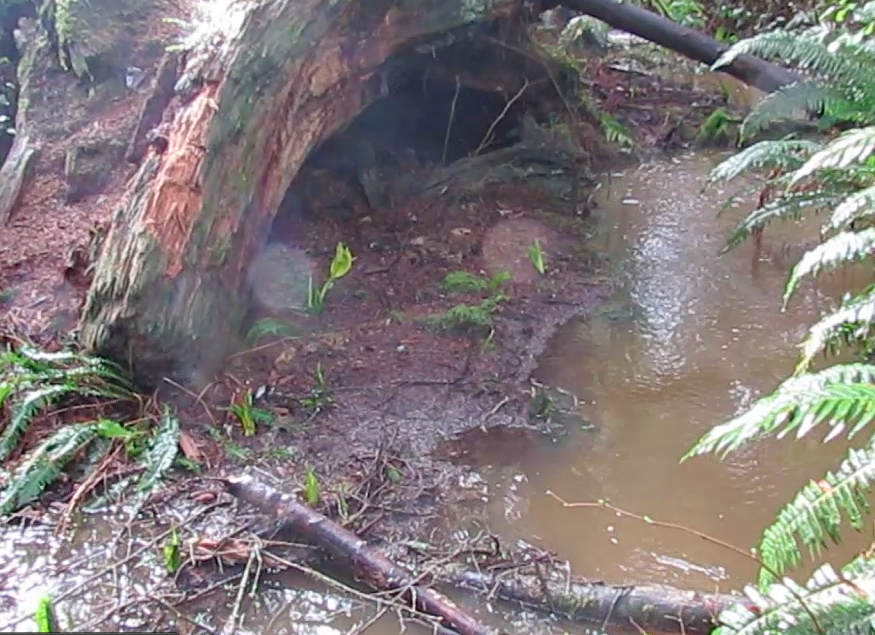
February 17, 2014...skunk cabbage just starting.

Old snag forms a backdrop to the skunk cabbage
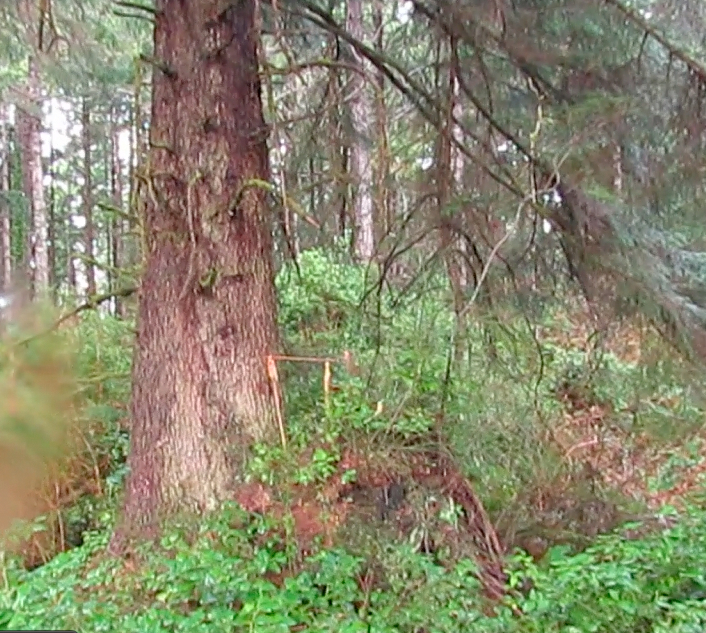
Survey stakes, uh-oh

Survey stakes, uh-oh

They want to put a road here.

“East edge of road…?”  Oh no…they want to put a road here.

An article about creeks and rivers going underground.
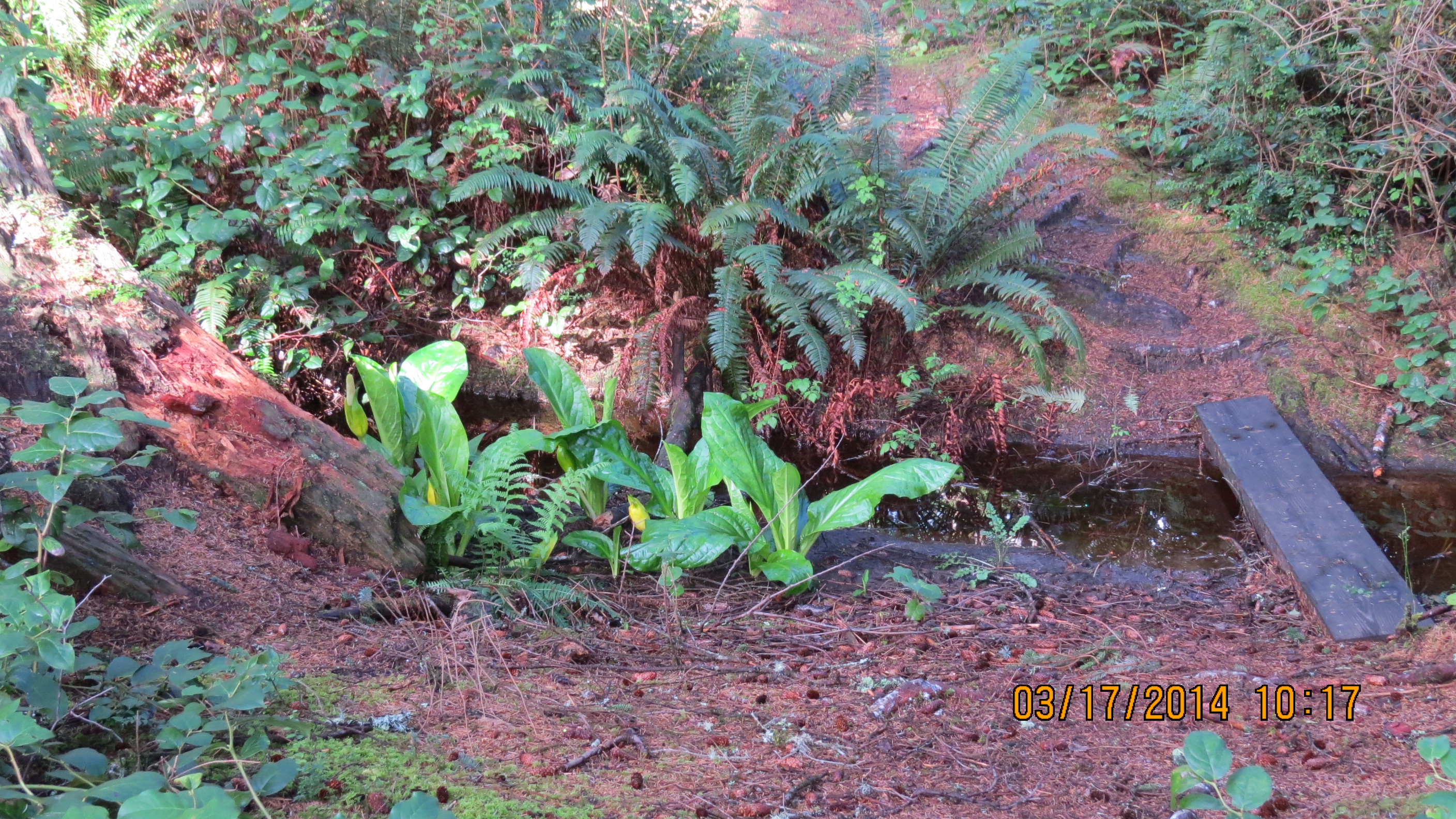
March 17, 2014...Creek still flowing.  Skunk cabbage growing well.
March 17, 2014…Creek still flowing. Skunk cabbage growing well.
Read Full Post »

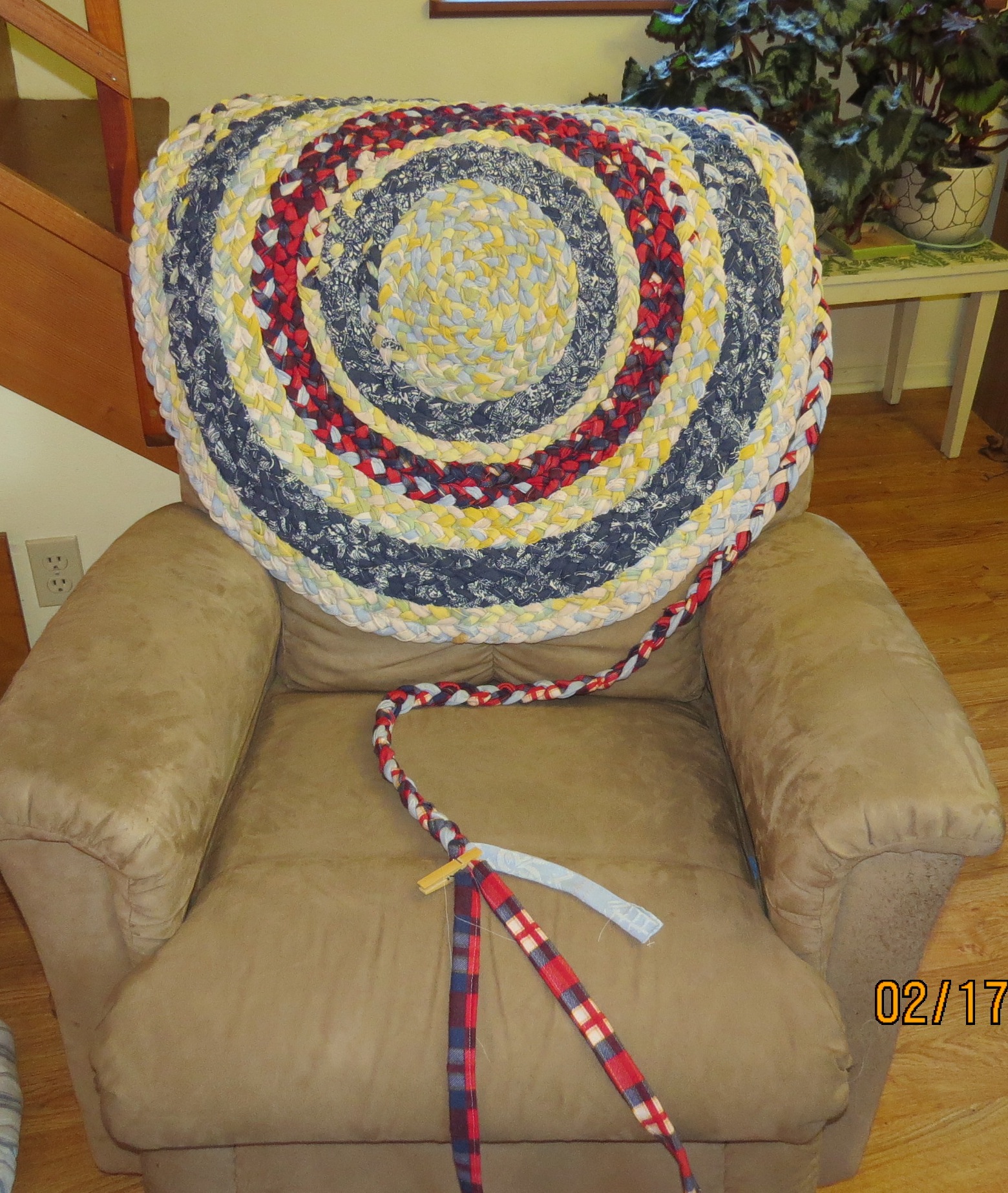
Rag Rug is almost done.

Rag Rug is almost done.

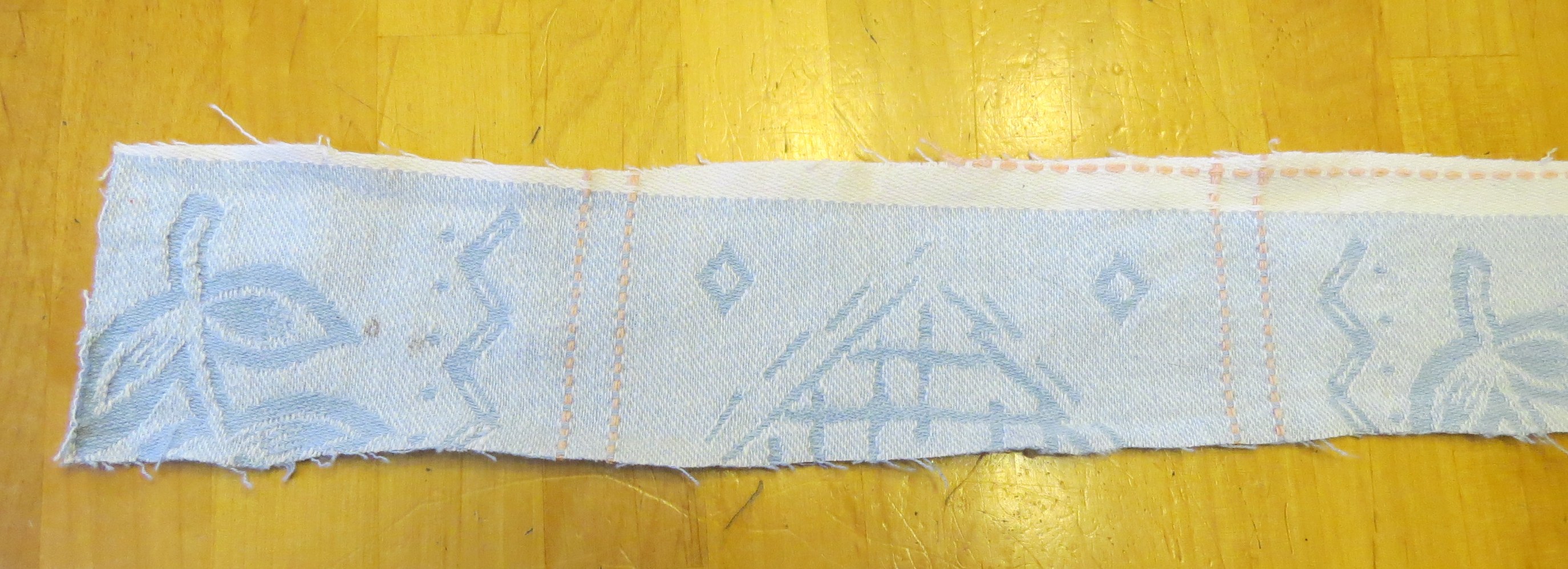
Do you ever wonder what to do with old table cloths, jeans, or scraps of material?  Recycle them into a very usable rag rug.

Do you ever wonder what to do with old table cloths, jeans, or scraps of material?

First cut the material into strips of cloth about 2.5 inches (6.35 cm) by any length.  Use scraps of equal thickness so the rug will be all the same thickness.

2 Fold the edges in !/4 inch, (6.35 mm)

Then fold the edges in !/4 inch, (6.35 mm)

Fold that in half to one inch (2.54 cm)

Fold that in half to one inch (2.54 cm)

 Sew the edges

Sew the edges and braid three strands of differing lengths.

Stitch the braids

Stitch the braids together to form the size of rug you desire.  We have used cotton thread in the past but are now trying fishing monofilament.  Stitch on the back side of rug only, so it won’t show.

Carmen likes to help

Carmen likes to help

Eddy O. gets his chair back

Eddy O. gets his chair back

Read Full Post »

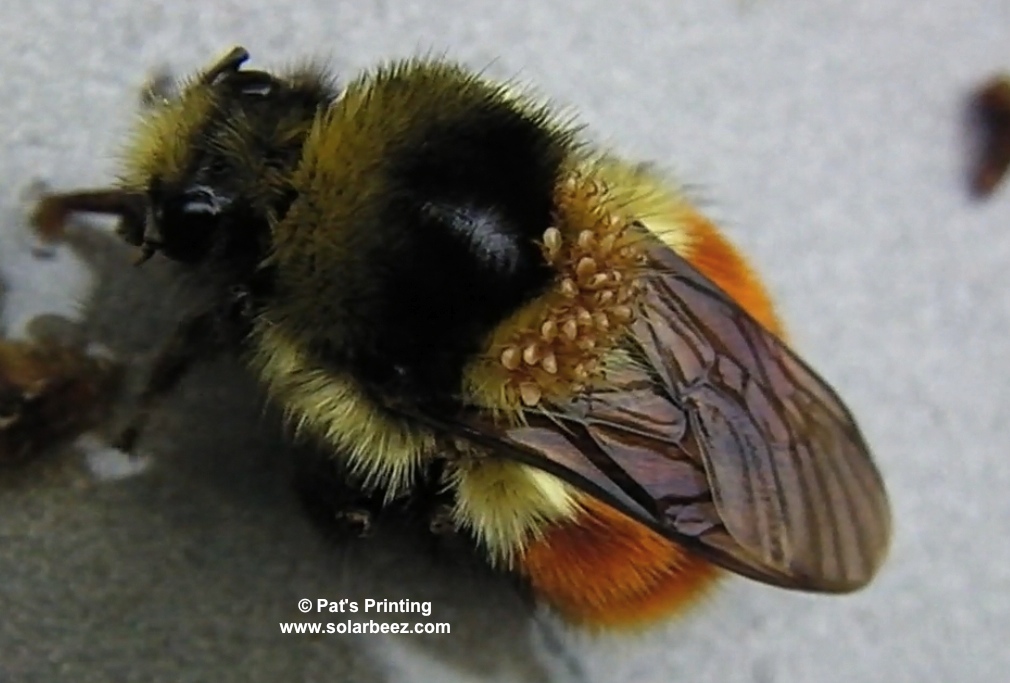
February 13, 2014...This bumble bee (bombus Melanopygus, I believe) was sipping honey when we noticed all the mites on her back.

February 13, 2014…This bumble bee (bombus Melanopygus, I believe) was sipping honey when we noticed all the mites on her back.  We would like to try to remove them…Does anyone have any ideas of how to accomplish that?

Read Full Post »

July 10, 2013...Spring veggies harvested, soil spaded and leveled, drip watering in place, this bed is ready to plant our winter garden.

July 7, 2013…Spring veggies harvested, soil spaded and leveled, drip watering in place, this bed is ready to plant our winter garden.

When we planted  turnips, lettuce and kale in July for our winter garden little did we know we were planting for the bees as well as ourselves.

July 28, 2013...turnips are growing nicely in the center, lettuce and kale are on the sides.

July 28, 2013…turnips are growing nicely in the center, lettuce and kale are on the sides. Deer netting over pvc hoops.

January 16, 2014...We had eaten most of the turnips and just left a few to go to seed.  We never thought the bees would be enjoying them in mid January.  What a welcome surprise.

January 16, 2014…We had eaten most of the turnips and just left a few to go to seed. We never thought the bees would be enjoying them in mid January. What a welcome surprise.

February 9, 2014...My apologies for posting such a fuzzy picture of a bee on the catkins,but it was rather high up.  I wanted to show where the pollen was coming from that is going into my log hive.

February 9, 2014…My apologies for posting such a fuzzy picture of a bee on the catkins,but it was rather high up. I wanted to show where the pollen was coming from that is going into my log hive.

February 9, 2014...Many colors of pollen entering the hive.  In the video you can see the bright yellow from the turnip flowers.  It's possible this is from the pussy willows that are just starting to blossom

February 9, 2014…Many colors of pollen can be seen entering the hive. In the video you can see the bright yellow pollen from turnip flowers. It’s possible this shot is from the pussy willows that are just starting to blossom.  The darker orange might be from early gorse.

February 10, 2014...Yellow turnip flowers have been flowering since mid January.  Pussy willows are starting to blossom already.

February 10, 2014…Yellow turnip flowers have been flowering since mid January. Pussy willows are starting to blossom already.  Second bed is producing greens for our salads.  We can eat them 15 minutes after they are picked…can’t get much fresher than that.  We cover them with plastic film (partially visible on far side) on nights of sub freezing temps.

Read Full Post »

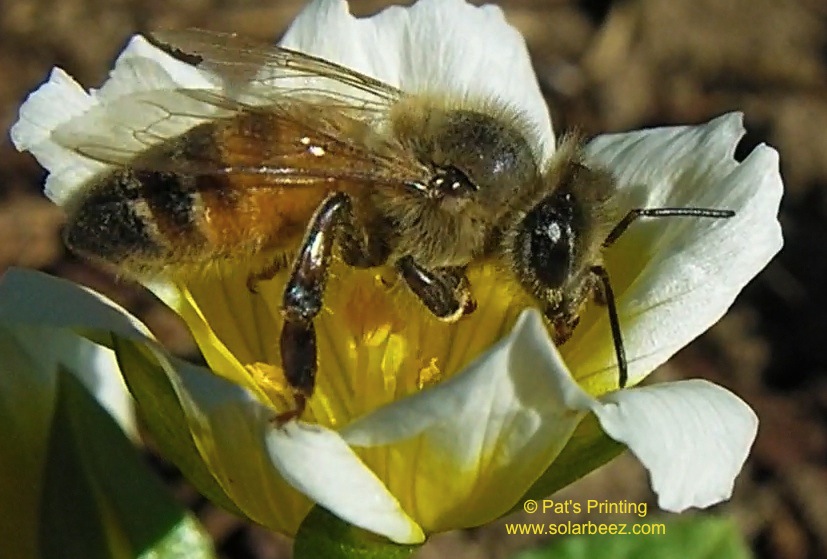
Last year in June, before the deer discovered it, the bees were on the Meadowfoam everyday.

Last year in June, before the deer discovered it, the bees were on the Meadowfoam everyday.

If you’ve ever watched the bees on a Poached Egg Meadowfoam (Limnanthes Douglasii),  you will want to grow some for your bees.    Last year I bought 12 plants from my friendly nursery (101 Plants).  The bees were on them everyday.  Unfortunately, the deer discovered them, and mowed them down.  This year I’m happy to say I found a source for seeds.  I’m buying 1000 seeds for under $5.00 from Outside Pride in Oregon.  With that many seeds, I can scatter them in quite a few areas (fenced in, this time).  The bees will love them and so will I.

aaaaa

Another photo taken shortly before the deer decided to sample it last year.

I was under the mistaken impression that Meadowfoam was grown mostly in Oregon and Northern California, but I see the Royal Horticultural Society in Great Britain has a listing for it as a Poached Egg Plant.

The oil from Limnanthes Alba is valuable…According to Oregon Meadowfoam Growers, meadowfoam oil is 20 times more stable than soybean oil, which means it does not deteriorate as readily when exposed to air. A gallon of meadowfoam oil is worth about $200 retail.

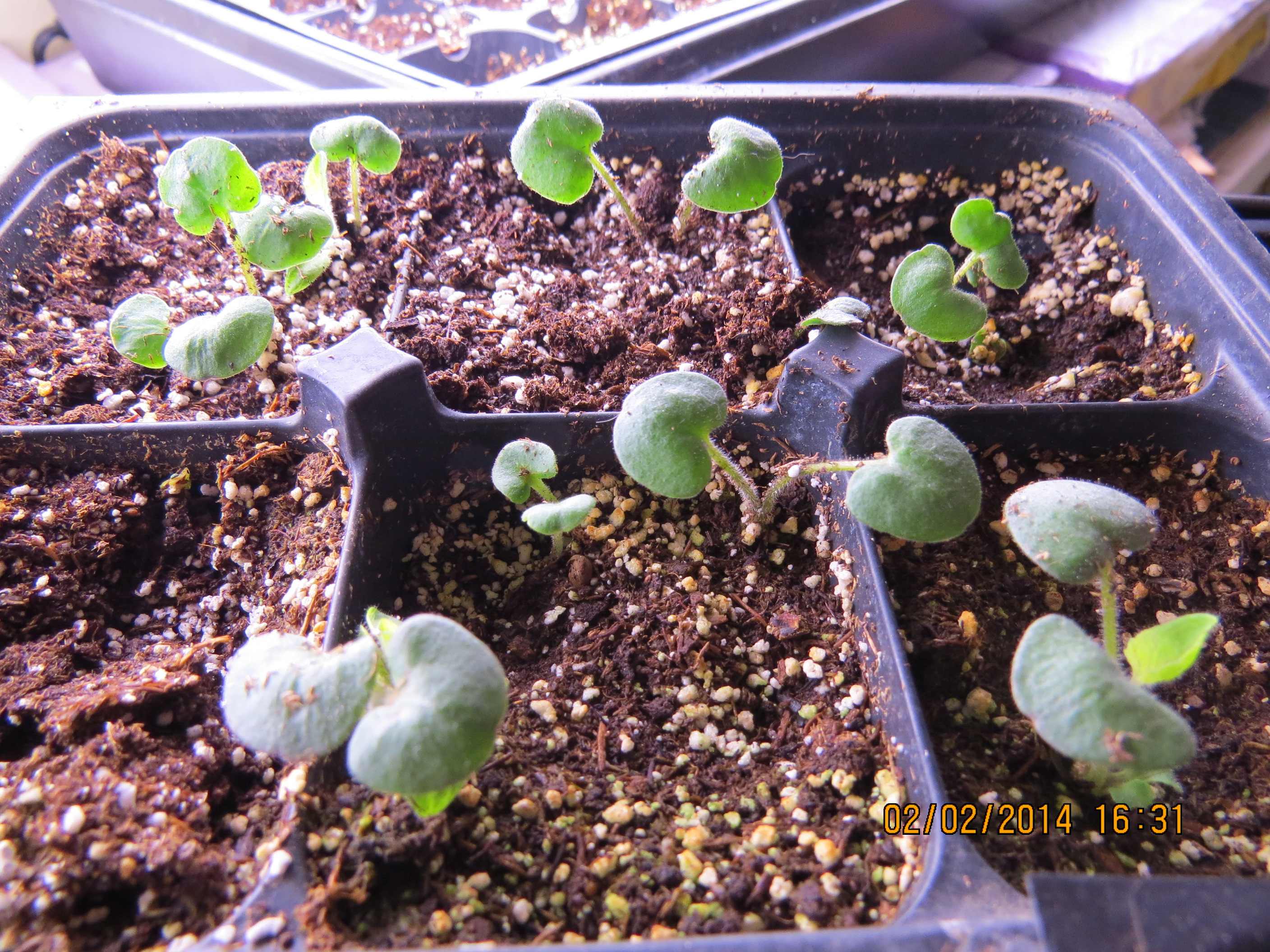
February 2, 2014...the salvia is looking strong.  Footnote...we replaced some bulbs with the full spectrum bulbs this year.  Hoping to lessen the legginess.

February 2, 2014…the salvia is looking strong. Footnote…we replaced some bulbs in the light stand with the full spectrum bulbs this year hoping to lessen the legginess. These look good.

June 28, 2013...Penstemon is a great bumblebee attraction.

June 28, 2013…Penstemon is a great bumblebee attraction.

Put date and caption here

June 9, 2013…Honeybees are getting nectar from the Pincushion Flowers (Scabiosa)

Don’t forget the butterflies!

February 3, 2014...received my Butterflyseed package today.  These bright flowers attract honeybees also.

February 3, 2014…received my Butterflyweed seed package today. These bright flowers attract honeybees also.

One of the beekeeping blogs I follow, written by Emma Sarah Tennant, featured a TED talk by Marla Spivak, showing the reasons why bees are disappearing and how we can help them by planting habitat.  We are proud to be a small part of a growing movement to help our wild pollinators.

Read Full Post »

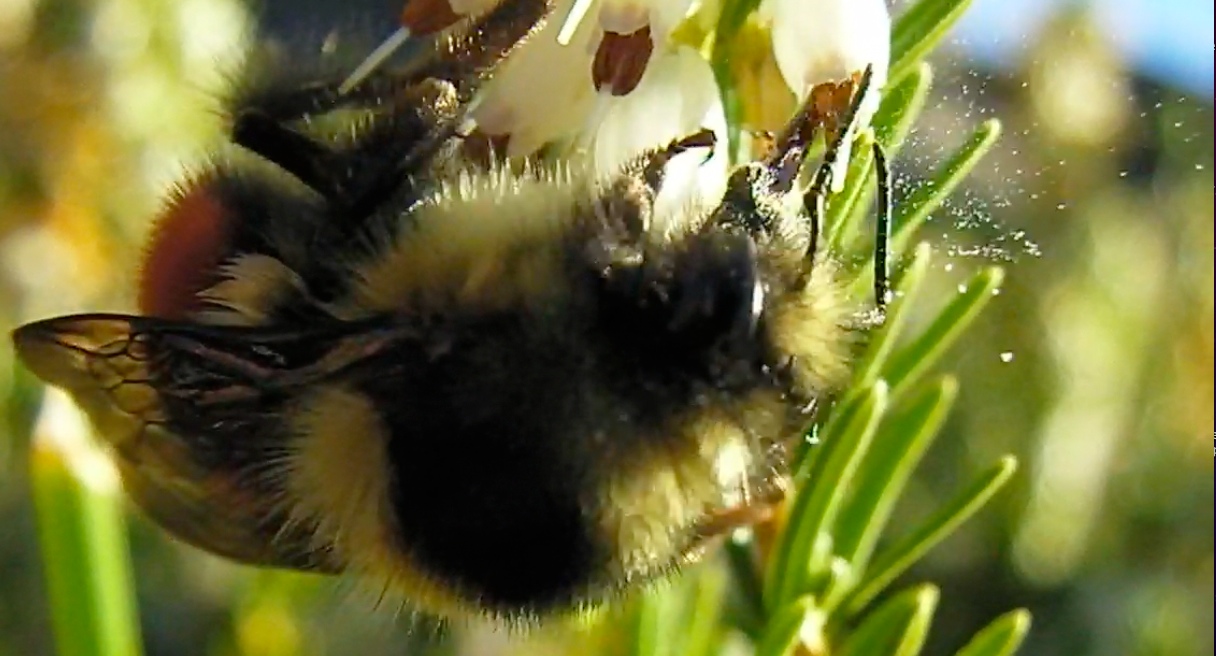
January 14, 2013...a beautiful warm day brought the bees out to the heather.  I saw very few honeybees, but very many bombus Melanopygus (this one) and also Bombus vosnesenskii (yellow-faced bumbles)

January 14, 2013…a beautiful warm day brought the bees out to the heather. I saw very few honeybees, but very many bombus Melanopygus (this one) and also Bombus vosnesenskii (yellow-faced bumbles)
Here you can see the pollen release.  When the bee gets the nectar, the pollen shoots out.

Here you can see the pollen release. When the bee gets the nectar, the pollen shoots out.

As she grooms herself with her front legs, you can see what looks to be a static electricity charge on her bee fuzz...shows up better on the video.

As she grooms herself with her front legs, you can see what looks to be a static electricity charge on her bee fuzz…it shows up better on the video.

This short video shows a bumblebee (bombus Melanopygus) sipping nectar from heather in mid January.  As she sips, pollen can be seen shooting out.  Later she grooms herself.  I noticed what looked to be a static electricity charge when her front legs combed her fuzzy head.

I didn’t want to interrupt the music so I added some video of my Bee-atrice log hive which didn’t make it through the sub freezing weather.   I looked at a comb which had some capped honey as well as uncapped cells.  I replaced the comb in the hopes that this hive will attract a swarm in spring.

It should be raining sideways this month.  It’s not.  After our cold snap, we’ve been enjoying daytime temperatures in the 50’s and 60’s F. (10’s and 20’s C)  When I filmed this it was 71 F. (22 C).  Our honeybees love it.  They are bringing back yellow and orange pollen.  I can’t figure where they’re getting it because the pussy willows aren’t blooming yet, but traffic is heavy as can bee seen on the video.

This is my second winter with bees.  They don’t fly when it’s raining of course, but we do get breaks in the rain, the sun pops out and the bees are flying.  I feel bad for the beekeepers that must tuck their charges to bed in the autumn and trust they will emerge when the weather warms up sometimes months later.  I’m talking about people like Emily Heath among others in cold far away places. 🙂 I guess you could say I’m spoiled to be able to see them active during the winter.   I don’t know what will happen in spring.  It’s possible we’ll get our rain then…given the choice, I’d rather get it now.  In any case the bees are making use of the warm weather.

How are your bees?

Read Full Post »

This hive swarmed the very next day.  Then it went on to throw 5 more swarms that we know about.  Today, (mid January, 2014) it's our strongest hive.

This hive swarmed the very next day. Then it went on to throw 5 more swarms that we know about. Today, (mid January, 2014) it’s still our strongest hive with no intervention.

Whenever the subject of making splits, pulling off queen cells, or otherwise trying to prevent the hive from swarming comes up at the bee meeting, I am always reluctant to entertain the idea.  To me it just didn’t sound natural.  What guarantee would I have that I am selecting the best queen cells.  But I can’t argue with the more experienced beekeepers because, well, I’m a new beekeeper with no experience.  Recently I came across an article in Simple Bees,  written  by John Haverson, a British Beekeeper.  He presents some compelling reasons why we should let the bees decide for themselves.  Swarming Bees Healthy Bees Haverson

Read Full Post »

« Newer Posts