Could this be pollen from the laurel bush? It’s been blooming since Jan. 22. I know that you can’t tell by color alone, but at this time I don’t have the microscope or capability to properly identify pollen.
This is the first year I’ve had bees into winter. I was curious about all the types of pollen showing up on the bees entering the hive. I was sure some of it was gorse since we seem to have so much of it growing thanks to Lord Bennett of Ireland.
I made a 9 minute movie showing the bees on different types of flowers and Shigeo of the local bee association demonstrates how to transplant an Echium. I realize that some people can’t spare the time, so I’m offering ‘screen saves,’ as well.
Laurel blooming by Bonnie’s house
Bee on laurel, tannish-colored pollen…January 22, 2013
Bees on rosemary, at City Hall, February 8, 2013
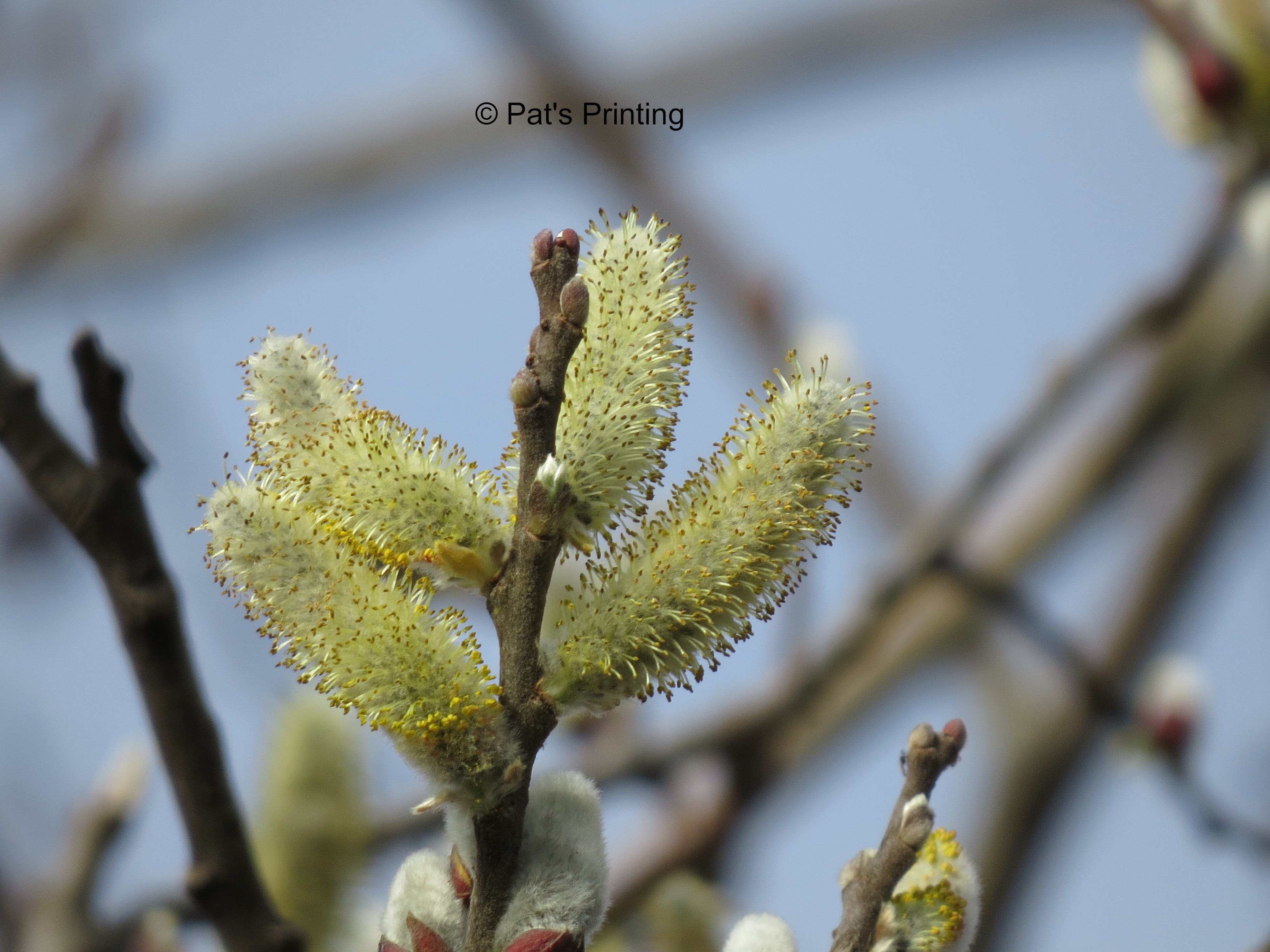
Willow catkins blooming near our hives…sun comes out…bees love it. February 8,2013
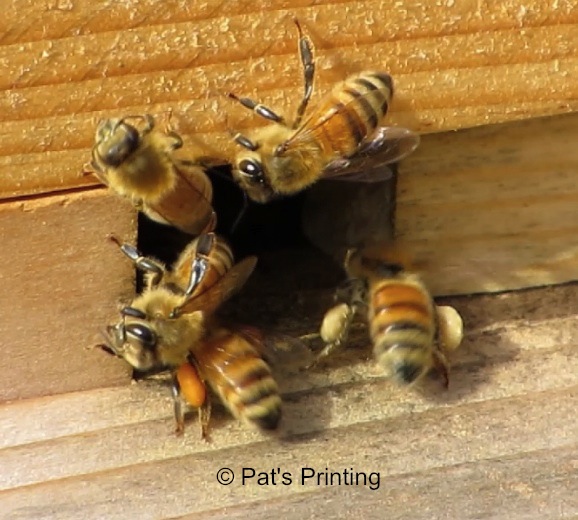
Gorse pollen is orange…I had been hoping it was the yellow pollen I had seen going into the hive. February 13, 2013
The video shows this bee in slow motion working the pollen back to it’s pollen sac. I didn’t see it at first until a more experience bee keeper showed me. February 13, 2013
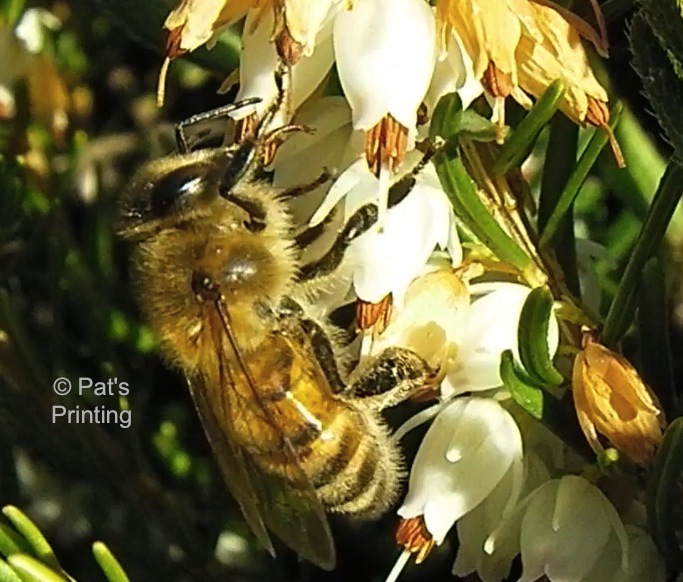
Bee on heather, 2-14-13, right up the street from Joe and Karen’s house.
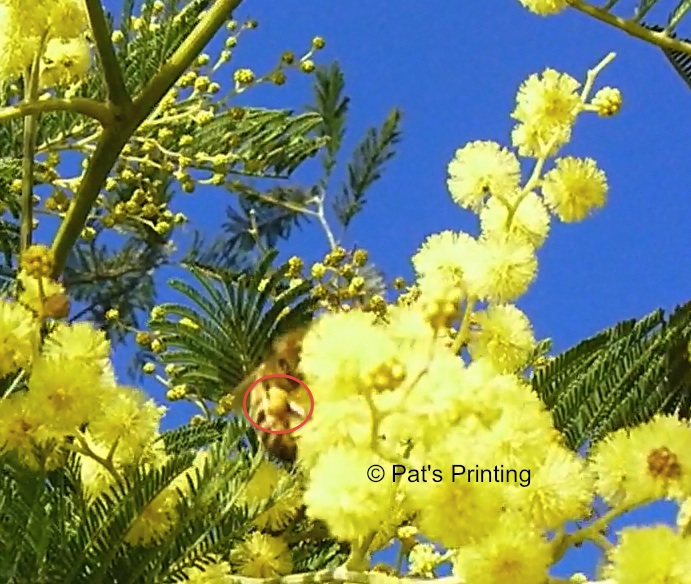
Bee on acacia, 2-15-13…Shigeo showed me this place to get some video. By the time we got to it, the bees were returning to home so I only got a short clip of it.
Shigeo shows how to transplant an Echium Tree.
Echium for 2013…I’m hoping this plant will shoot up 10 feet (3 m) starting about April or May. The tarp protects against freezing weather.
These are the plants that Shigeo demonstrated in the video, how to transplant. They are my hope for 2014
We planted this echium in late October 2011. It just stood still for several months. About April or May we noticed it had grown to about 10 feet. The bees worked it for 3 solid months.
The video shows the bees in action on the flowers. I used the Canon SX-50 (50x optical zoom) on the laurel as well as the willow catkins. My little pocket camera, a Sanyo Xacti performed admirably for the rest of the close ups…I love the ‘super macro’ feature.
As a newbie beekeeper I thought the bees just kept within the hive during the winter, leaving the hive infrequently. I know things are different on the coast because we rarely get snow, but we get loads of cold winds and driving rains. So it’s to my surprise that the bees are so active. They are actually bringing in pollen during January and early February. I’m hoping the yellow pollen is gorse, because everyone around here hates gorse so much (with good reason…it’s blamed for burning the town down in 1936), I’d like to know gorse is good for something, especially since it usually blooms early February.
I’m concerned about the Warre hive. The top video shows the front of the hive with the bees bringing in yellow and orange pollen and through the observation window in back. I’d like some advice from more knowledgeable beekeepers about what to do. I almost nadired another box underneath, had planned for the forecasted hottest part of the day at 55 deg.F (12 deg.C) but then the temperature turned cool. Should I add another box so they can grow into it before they swarm or should I wait for a few more weeks because the winter weather will return the latter part of February and into March? Another box means they have to heat it. I’ve got a dry sugar pad above the box as a just in case food source.
The log hive below looks very strong, lots of activity whenever the sun comes out and the temps are in the 50’s (10 C) bringing in pollen during January and February. Those bees came from a feral tree hive. I’m leaving them alone to fend for themselves. I’m hoping the hive will act as an undisturbed ecosystem…bees adapting to survive mites and other pests.
Hope to have another log hive in place before they swarm.
A long time beekeeper in the bee association warned me to expect 50% winter losses. I thought to myself which hive am I going to lose, the one I’m reluctantly feeding or the log hive?
I realize this is only the beginning of winter, but both hives have already come through hurricane-force winds, weeks of steady rain, and a few recent frosty mornings. The sun finally came out this weekend and to my happy surprise, both hives are still flying, even though the temperature was a mere 50 deg. F (10 deg. C) The log hive is still bringing in a surprising amount of pollen.
I was able to shoot the 2nd part of this video with my new camera that sports a 50x zoom. I don’t have to get as close to the hive now. 🙂
Here’s a photo of the bottom board taken the next day…Some more experienced beekeepers say you can tell what’s inside the hive by reading the bottom board. I see flakes of wax, but I’m not sure about the rest of it…
Warre Hive Floor Board…Learning how to read the floor board. The layout of the bars are parallel with the bottom of this board. What do you see?
When it’s cold the bees hang out in the lower left of hive.
Here is Bernhard Zaunreiter’s assessment of my little Warre Hive…
Posted: Thu Jan 03, 2013 8:09 am Post subject:
It is a very small colony. But since they made it until now, they most probably make it through winter and until Spring. It will be a difficult time in Spring, when the old winter bees die off and have to be replaced with young bees just in time. Just make sure you protect them from robbing in Spring. A big colony will surely assault such a small colony and wipe them out of life. So reduce and watch the entrance.Such a moldy floor only can be found in small colonies. The black stuff on the right of the picture is mold. It won’t harm the bees for now. So no worries. The black dirt ist bug poo, I think the hive has quite some wax moths. The common woodlice are wintering within the hive, but won’t harm the bees much. You could clean the floor board regularily, so you can notice the differences over the time. Once the first stripes and pollen appear on the board, they started brooding. Wipe the mold off with some vinegar, washing and drying it afterwards with a hair dryer.Plenty of stores, so no worries about that. Maybe you scrape open some honey cells from above in Spring, so the honey draws moisture and can be eaten up more quickly, leaving empty cells to lay eggs into. Just some combs at a time. The most critical thingin Spring are empty cells.
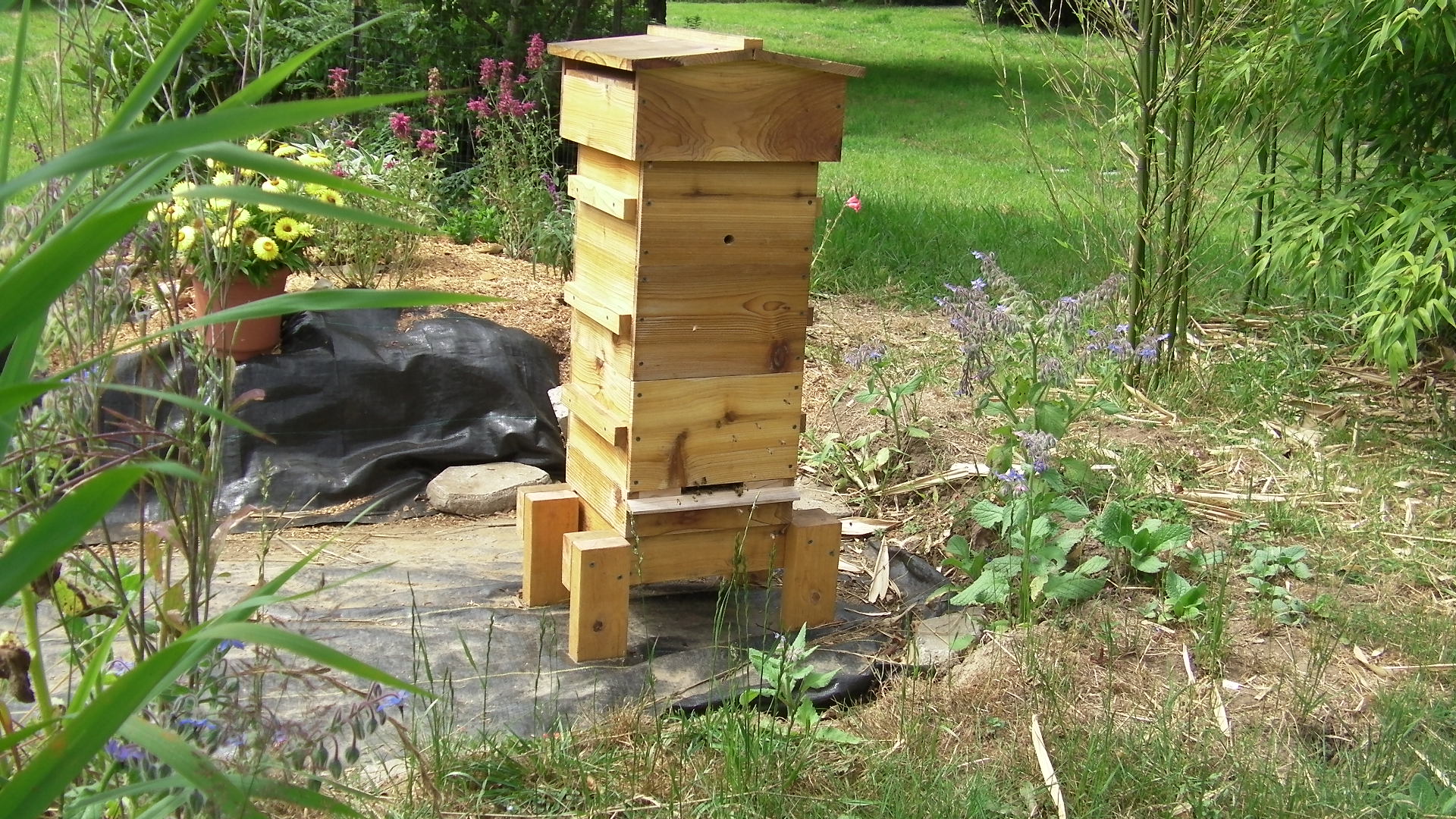
I’m happy to report my Bee Beard log hive came through the hurricane-force winds without getting blown over. The bamboo and ‘staked’ hay bales must have protected it enough.
Since we are new to beekeeping we try to pay attention to the advice of more experienced beekeepers. We have been warned about robber bees attacking the hive…robbing the honey. I shot this video in an effort to find out if my log hive is getting robbed. I don’t know whether these are robber bees or just the normal activity of the hive. They are still bringing in pollen so I’m assuming (naively?) it’s all normal behavior. The bees came from a feral hive in a tree on private property. Maybe it’s strong enough to defend itself.
A short video of my Warre Hive is included. Much less activity can be seen around the Warre. Is it because I’m feeding them sugar? Maybe the bees don’t feel the need to venture out.
Back in February, I listened to a podcast interview with Matt Reed of Beethinking.com. He talked about the Warre Hive. Now I didn’t really want to get into another type of hive, but it sounded so intriguing and easy to use, I decided to give it a try. I liked the idea that the boxes stacked in a vertical orientation, mimicking a hollow tree. It sounded like the most ‘natural’ type of hive that wasn’t actually a tree. I also liked Matt’s approach of not using any chemicals inside his hives. So I ordered a kit with observation windows and a screened bottom in case I wanted to do a mite count.
I didn’t want to order package bees because they might not be acclimated to the wet area we have on the Oregon Coast. I had passed up the ordering date and was nervously waiting for my bait hives to catch a swarm, but nothing was happening. Then I got the call about a swarm that had just formed about an hour ago. I threw everything into the car and was on my way.
A Swarm in a Bush…A made-in-heaven low swarm for my first experience.
A Swarm in a Bucket…I was able to cut branches and shake most of the bees into this 5 gallon bucket.
A Swarm in the Warre Transferring the swarm into the Warre was easy…tap the bucket on the ground once or twice, then pour into the hive. I replaced the bars on top, installed the quilt box and the roof.
Did I get the queen? Bees can be seen fanning the pheramone that the queen is ‘in the building’!
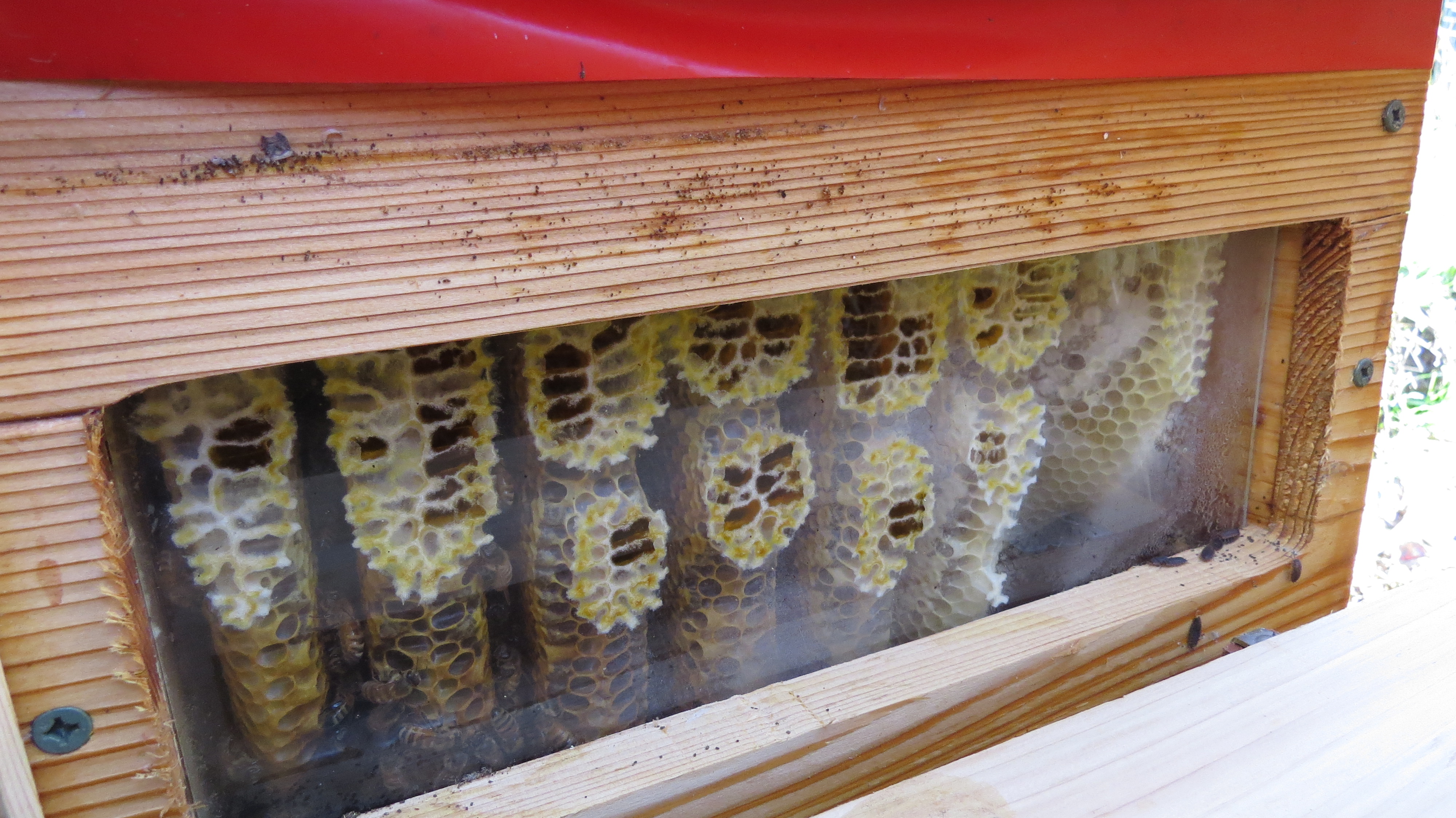
July 7, 2012 This shows how much natural comb they built in about 5 weeks. I wonder when they will start on the bottom box.
I anxiously wait. The bees don’t build into the bottom box. I consult the forums where suggestions are made to add an empty box overhead. “The bees don’t like having an empty space over them.” On July 23, 2012, I add a third box, this time on top.
After I drilled a 3/4″ hole for the bees in the top box, I waxed up some top bars and put the whole thing in place.
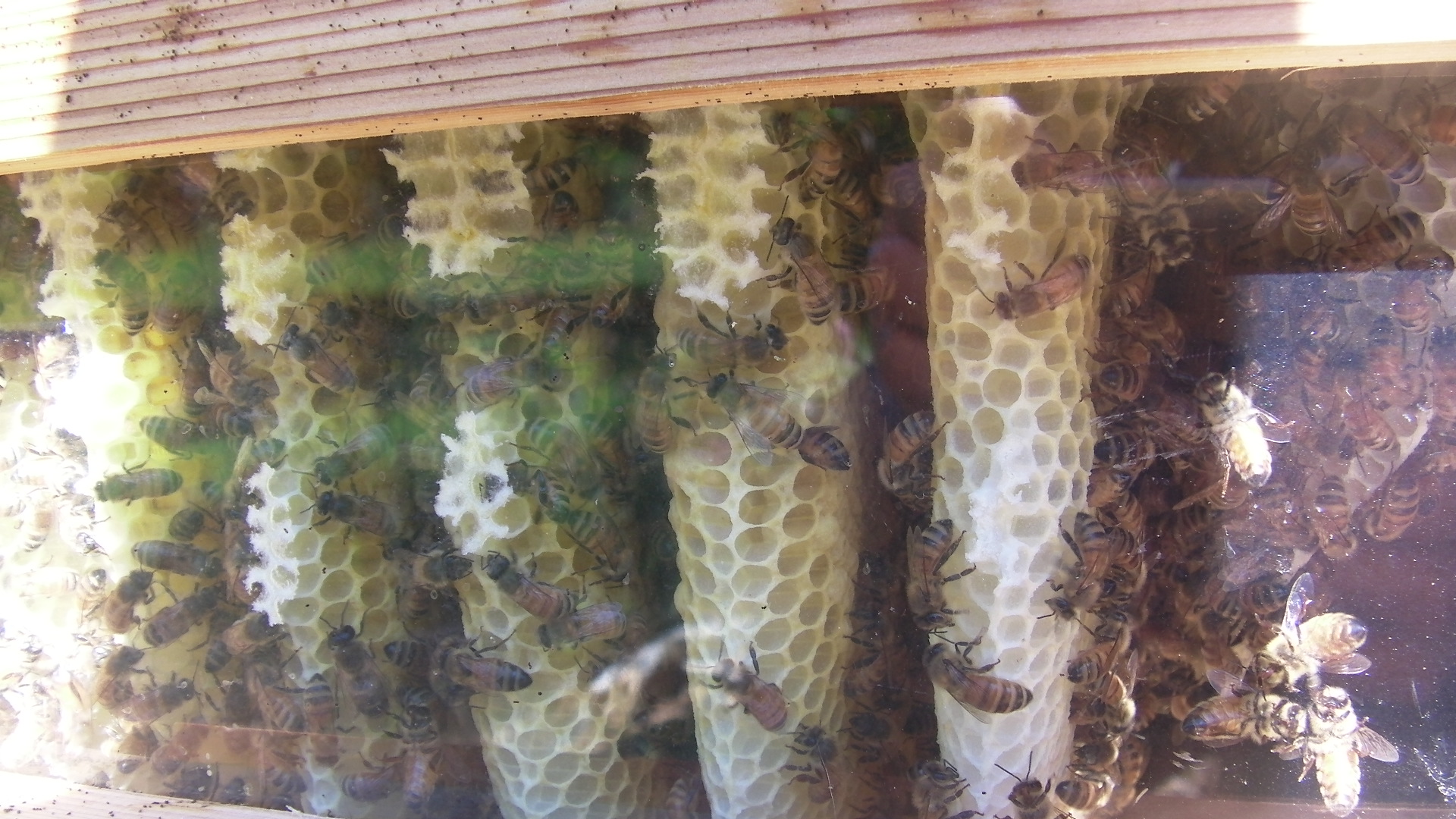
July 24, 2012. I like this…I can get a view through the observation window looking down at the occupied middle box or up to the top bars in the top box.
August 3, 2012 A view of the comb in the middle box…still no building in the top or bottom box.
August 20,2012 Looking into the Warre, plenty of bees, plenty of honey,..but they are STILL not building any comb in either the top or bottom box.
I consult the forums…”can a Warre get through the winter on only one box?” It’s getting late in the summer and my efforts to get them to build either on top or in the bottom box have been fruitless. The answers seem to imply I’m a reckless beekeeper if I don’t consider feeding them.
Partially built feeder box for Warre
After looking at the forums, I found the answer. Build a feeder that is accessible from the outside. If it becomes necessary to feed the bees I can do it without opening the hive up to the cold air. The hive is kept intact with no extra holes drilled into it for the sugar water.
I want to thank Colobeekeep for providing photos of how he built this.
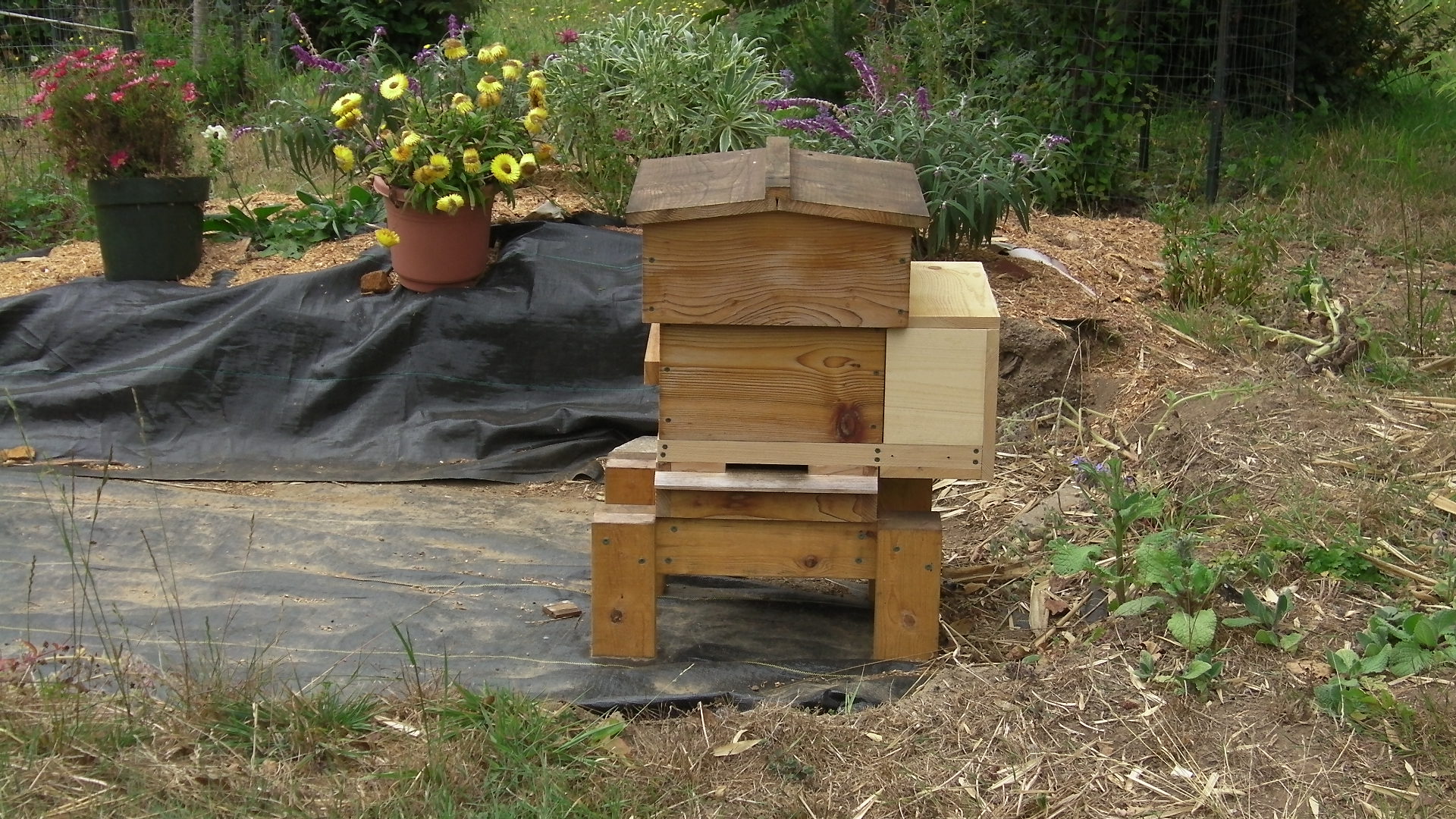
Front view of feeder box on right side of Warre
Back view of feeder box on Warre
Lid open, no jar yet. Bees can access the sugar water, but not the feeder box. Bottle can be changed without opening the hive. It’s placed near the rear of the hive to discourage robbing.
I really DON’T want to resort to feeding them. From what I read, sugar raises the pH of the hive making it more susceptible to Nosema, but I also don’t want to lose this little hive. I definitely won’t use High Fructose Corn Syrup because it is made from GM corn which is treated with clothianidin, a systemic insecticide highly toxic to bees. I’ll pay close attention to the honey stores by looking through the observation window. If they get low I’ll be able to supply either 1:1 or 1:2 sugar water without opening the hive.
This short video looks into the Warre hive through the observation window (slight reflection issues) to see waggle dancing and daisy-chaining. The last frame shows the natural comb built as a result of the daisy-chain.
More Waffling…After going to the work of building the ‘side feeder,’ I observed the comments made about moisture in the hive. Well, I’m not going to say we live in a rain forest, but we do get buckets in the winter time. Should I worry about the moisture issues…yes. Okay, I’ll build an over-the-top ‘dry sugar’ feed frame.
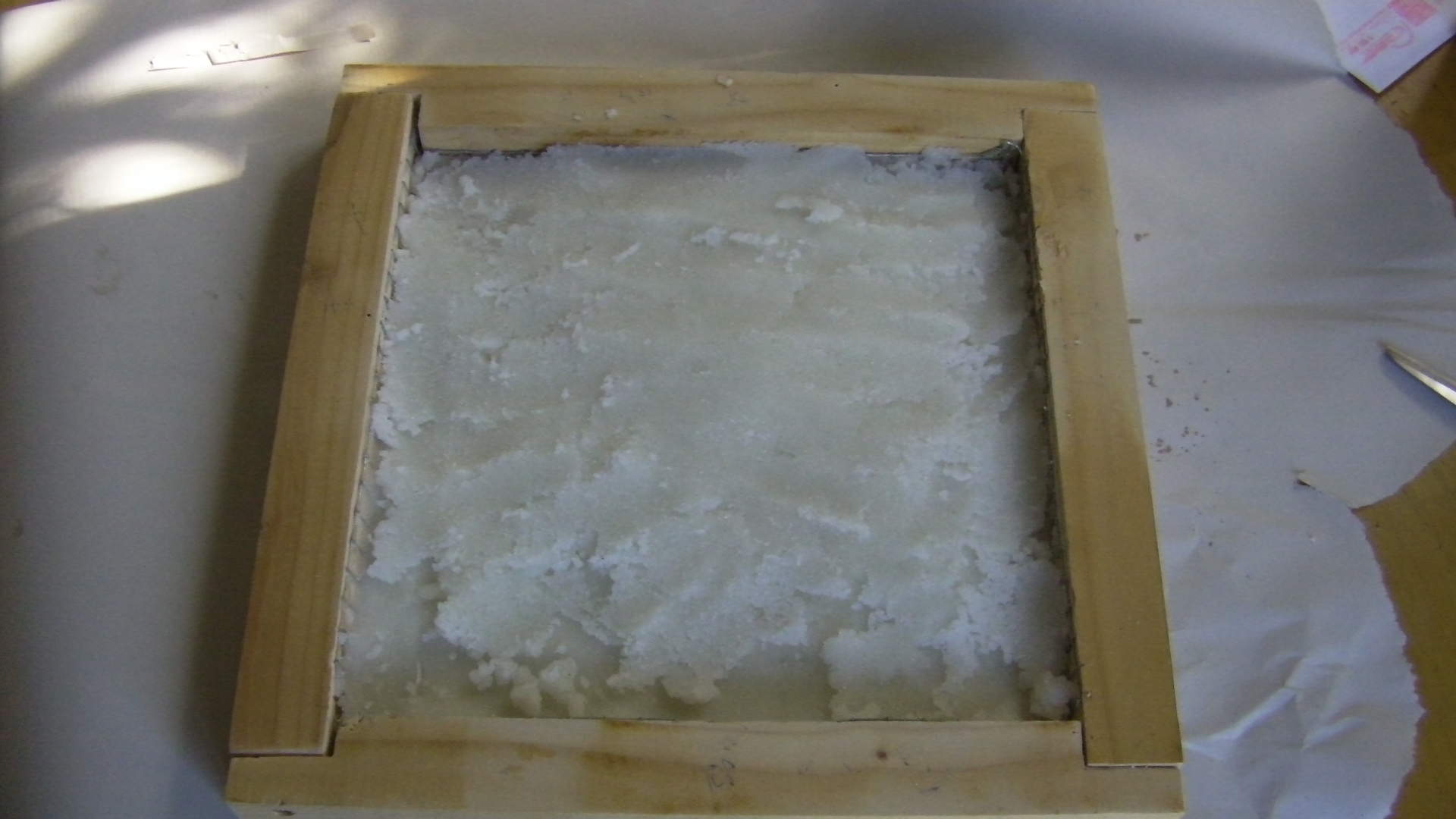
This shows the sugar resting on the 1/2″ hardware cloth. After this photo was taken, I dumped out the sugar and inserted a layer of blank newsprint between the sugar and the wire. That should hold up the sugar so it won’t drop down into the hive…I hope.
Sugar pressed into frame ready to slide into place
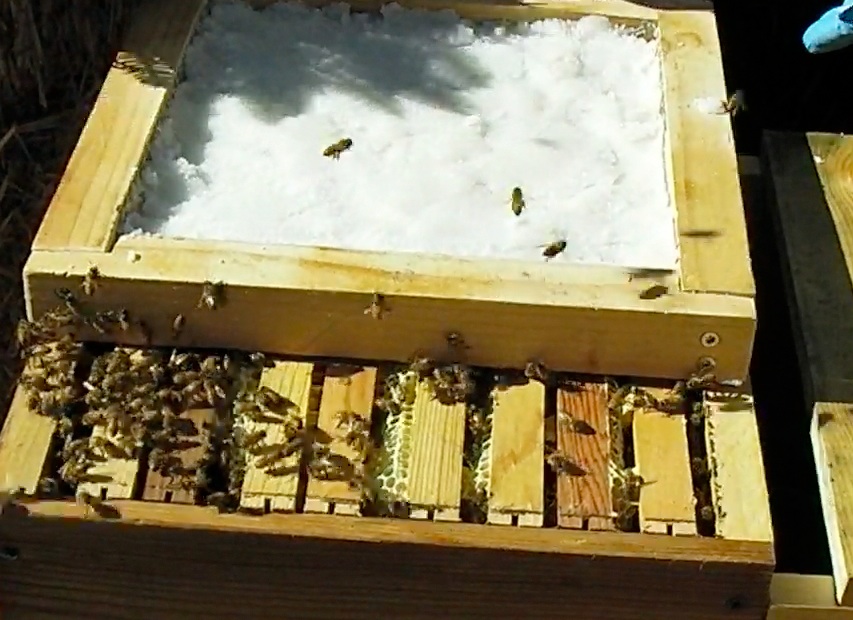
Installing sugar feeder Oct. 25, 2012. This will let the bees go upward to access the sugar from within the cluster. Quilt box goes on top. Then I wrapped with red tape to seal the cracks.
When I checked with some coastal beekeepers at the bee meeting, they said they feed with sugar syrup, no problem. “Don’t you worry about the moisture issues?” “No.”






 Posted: Thu Jan 03, 2013 8:09 am Post subject:







 Adventures in Natural Beekeeping